
Nursery Specialist Guide to Buy Cordon Pear Trees for Productive Fence Lines
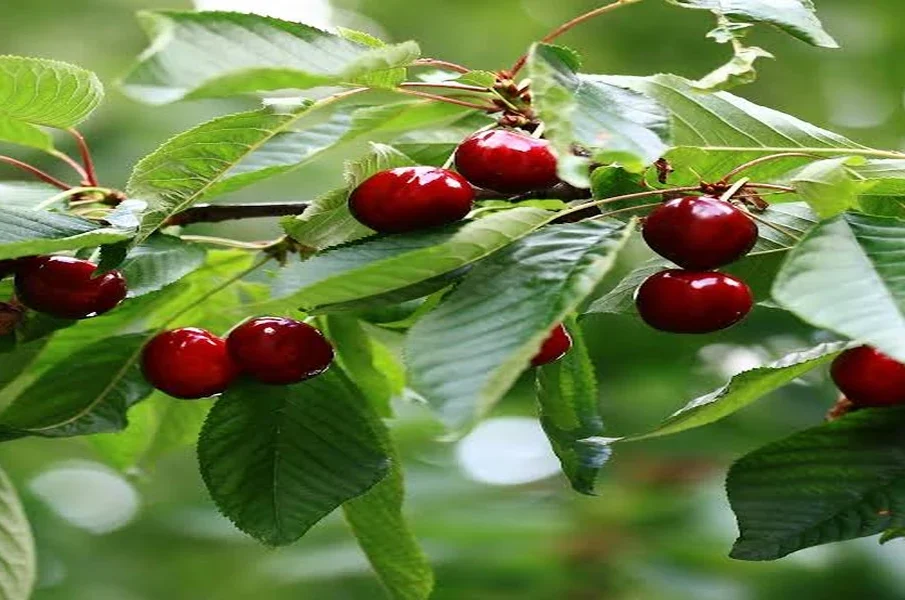
Cordon pear trees can make a fence line productive without taking the space of a freestanding pear. The form is narrow, structured, and efficient, but it succeeds only when support, spacing, pruning, and light are planned from the beginning.
A productive fence line is a working feature. The gardener needs to reach the cordon, water it, prune it, and pick from it without fighting the boundary. When the form matches the site, cordon pears can turn a narrow edge into a useful harvest space.
A cordon pear plan should start with the fence line rather than the variety name. Fruit-Trees, the fruit tree specialists, advise checking support wires, light, soil moisture, and pruning access before ordering. Once the boundary has been measured, gardeners can buy cordon pear trees as part of a clear training plan. The tree then has a framework to grow into instead of being squeezed against a fence as an afterthought.
The cordon form is efficient because it is managed. It needs a gardener who accepts the shape, the support, and the routine that keep it productive.
That steadier reading matters because a productive fence line where narrow pear forms need support, pruning, light, and harvest access will keep changing after the first decision is made. The tree has to suit the household as well as the planting space. It should be reachable, understandable, and worth caring for when weather, time, and garden priorities compete for attention. A good choice does not depend on one perfect season; it gives the gardener several ways to succeed through support installation, spring blossom, summer pruning, fruit swell, and autumn picking. That makes the planting feel deliberate rather than decorative, and it keeps a slim pear planting that turns a boundary into a productive, reachable line connected to ordinary garden life.
Check Fence Strength and Support
Before the variety feels settled, check fence strength and support deserves a close look. Cordon pears need a reliable support system. This keeps the decision connected to the place where the tree will live, not just to the crop or shape the gardener hopes to see later.
A weak point often appears when gardeners are planting first and deciding how to support growth later. It may sound minor at ordering time, yet small mismatches grow more obvious as the tree begins to need regular watering, pruning, checking, and harvest access.
The practical route is checking posts, wires, fixing points, and long-term access. This gives the gardener a clearer picture of what success will look like in this exact position and what early stress might look like.
Check Fence Strength and Support should also be tested against the season. Fence-line shade and dry soil at boundaries affect the timing of care and the reliability of blossom, roots, foliage, and fruit. Expecting those pressures makes the plan more patient.
A good decision leaves the garden with a trained line that starts with structure. It also leaves the gardener with work that can be repeated comfortably through support installation and spring blossom, which is where the planting becomes genuinely useful.
If the garden later becomes busier or the season turns awkward, check fence strength and support is one of the details that decides whether care continues. Good planting choices give the gardener practical ways to notice, adjust, and keep the tree moving in the right direction. They also make it easier to understand whether a problem is temporary or whether the tree needs a clearer change in care. That makes the response calmer when weather interrupts the plan.
Keep Enough Light on the Boundary
Keep Enough Light on the Boundary is not a side issue in this choice. Fence lines can be bright in one season and shaded in another. For gardeners planning cordon pear trees along fences or narrow boundaries, it decides whether the tree becomes part of ordinary garden life or remains a hopeful purchase that is harder to manage than expected.
The risk is using a boundary simply because it is empty. That kind of mismatch is rarely dramatic on planting day, but it becomes clearer when watering, pruning, picking, or seasonal growth asks more from the position than the gardener planned.
A better test is observing sun across the growing season before planting. This turns the decision back towards evidence in the garden and away from the appeal of a variety name alone.
Keep Enough Light on the Boundary also has to survive ordinary weather and routine. Dry soil at boundaries and spring frost can change how blossom, roots, leaves, and young fruit behave, so the tree needs a position that remains workable in imperfect weeks.
The useful outcome is blossom and fruit with a stronger chance of developing well. It matters because the tree still has to be supported through spring blossom and summer pruning, while keeping the wider purpose realistic rather than theoretical.
The same thinking helps the tree avoid being judged too quickly. In a productive fence line where narrow pear forms need support, pruning, light, and harvest access, success is usually gradual: roots settle, the framework becomes easier to read, and the gardener learns which small actions matter most. That slower view is often what separates a dependable fruit tree from one that is constantly second-guessed. It also keeps early imperfections in proportion.
Plan Spacing Along the Line
Start this part of the decision with what the garden already offers. Cordon planting depends on disciplined spacing. The point is not to make the choice cautious, but to make it proportionate to the space and the amount of care the tree will actually receive.
Crowding trees because the form looks narrow at the start is the mistake to avoid. It can make a sound tree feel unsuitable simply because the site, access, or aftercare plan was never tested properly.
The check is simple but revealing: checking mature framework and pruning room before ordering. A gardener who does that before planting usually sees which options deserve confidence and which ones depend too much on luck.
For gardeners planning cordon pear trees along fences or narrow boundaries, plan spacing along the line is also a way of keeping the first year calmer. The tree should have enough light, moisture, room, and access to settle without turning every dry spell or pruning task into a rescue job.
When this is handled well, the result is a productive line with less congestion. The decision then supports the local rhythm of summer pruning and fruit swell instead of solving one problem while creating another.
By the end of this check, plan spacing along the line should feel connected to a real routine rather than a loose preference. That routine is what turns a well-chosen tree into a lasting part of the garden instead of a one-season experiment. It also gives the gardener a practical way to review progress without changing direction too soon. The tree gets a fairer chance to prove its place.
Water the Fence-Line Root Zone
There is a practical discipline behind water the fence-line root zone. Boundaries can be dry because fences and walls reduce rainfall. That discipline helps the gardener choose from real constraints rather than from a perfect version of the garden that only exists on a bright day.
The avoidable trap is assuming the soil beside a fence receives enough water. Once the tree is in the ground, that mistake can be slow to correct because roots, branches, nearby planting, and household routines begin to settle around it.
The clearest check is checking moisture and planning slow watering during establishment. It may feel like a small pause, but it changes the shortlist by showing which choice will remain readable after the first flush of planting enthusiasm.
Water the Fence-Line Root Zone also has to answer ordinary British weather. Summer growth flushes and fence-line shade can make the tree easier to observe, easier to protect, and less dependent on a flawless first season.
The reward is steadier growth along a demanding edge. That is the difference between a tree that merely fits into the design and one that keeps earning its place through fruit swell and autumn picking.
In practice, water the fence-line root zone should leave the gardener with a decision that can be checked again after planting. The tree should have a clear place to grow, a simple care route, and a reason to stay in the plan once the first excitement of buying and planting has passed. That makes later adjustments feel like normal care rather than evidence that the original choice was wrong. It keeps the decision easy to explain and easier to repeat.
Accept the Pruning Rhythm
Before the variety feels settled, accept the pruning rhythm deserves a close look. Cordons stay useful because they are pruned regularly. This keeps the decision connected to the place where the tree will live, not just to the crop or shape the gardener hopes to see later.
A weak point often appears when gardeners are choosing the form for compactness while ignoring summer and winter work. It may sound minor at ordering time, yet small mismatches grow more obvious as the tree begins to need regular watering, pruning, checking, and harvest access.
The practical route is learning the pruning rhythm before the trees arrive. This gives the gardener a clearer picture of what success will look like in this exact position and what early stress might look like.
Accept the Pruning Rhythm should also be tested against the season. Fence-line shade and dry soil at boundaries affect the timing of care and the reliability of blossom, roots, foliage, and fruit. Expecting those pressures makes the plan more patient.
A good decision leaves the garden with a narrow form that remains fruitful and readable. It also leaves the gardener with work that can be repeated comfortably through autumn picking and support installation, which is where the planting becomes genuinely useful.
Seen this way, accept the pruning rhythm becomes less about perfection and more about removing avoidable friction. The gardener does not need to predict every season, but should know which ordinary tasks will keep the tree steady when conditions are less convenient. The best decisions leave room for weather, growth, and household routines to change without unsettling the whole plan. That flexibility is especially valuable once the tree begins to crop.
Make Harvest Access Comfortable
Make Harvest Access Comfortable is not a side issue in this choice. A fence-line crop should be easy to pick. For gardeners planning cordon pear trees along fences or narrow boundaries, it decides whether the tree becomes part of ordinary garden life or remains a hopeful purchase that is harder to manage than expected.
The risk is placing cordons behind dense planting, furniture, or awkward paths. That kind of mismatch is rarely dramatic on planting day, but it becomes clearer when watering, pruning, picking, or seasonal growth asks more from the position than the gardener planned.
A better test is standing along the line and testing reach before planting. This turns the decision back towards evidence in the garden and away from the appeal of a variety name alone.
Make Harvest Access Comfortable also has to survive ordinary weather and routine. Dry soil at boundaries and spring frost can change how blossom, roots, leaves, and young fruit behave, so the tree needs a position that remains workable in imperfect weeks.
The useful outcome is fruit that can be gathered without damaging the boundary planting. It matters because the tree still has to be supported through support installation and spring blossom, while keeping the wider purpose realistic rather than theoretical.
This part of the choice also protects the promised benefit from becoming too abstract. A fruit tree is easier to value when its role can be seen in watering, pruning, blossom, harvest, and the everyday movement of the garden. Practical value is strongest when the tree keeps answering a real need after the first season. Otherwise, care starts to feel separate from the reason for planting.






-
Turn home into the office in 2022
Over time, the house is perceived as an eternal work. At home, ... -
-