Water Heaters Work Harder in Mountain Country
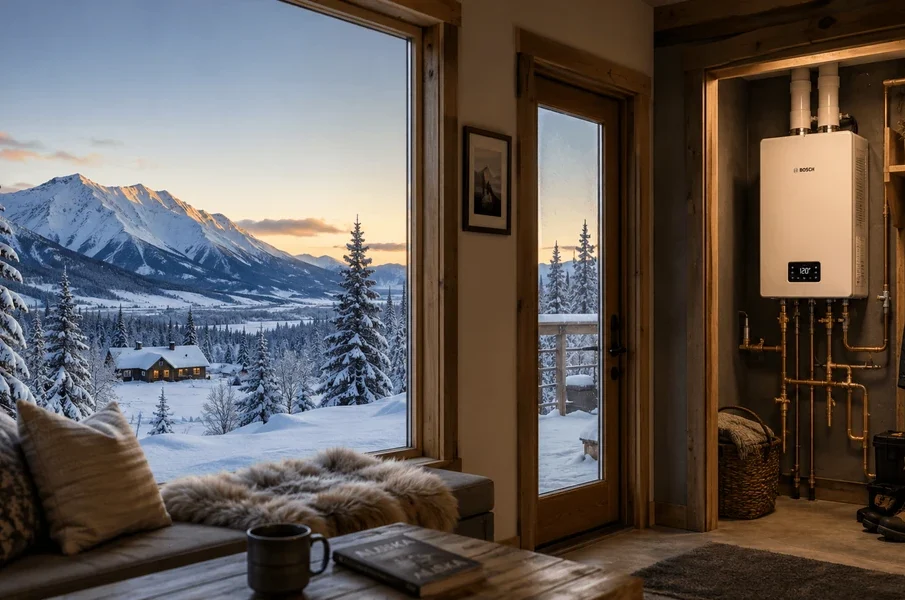
A water heater in a mountain home has a tougher job than the same model at sea level. The water coming in from the ground is colder for most of the year. The air feeding the burner is thinner. Many of these heaters sit in garages, crawl spaces or utility closets that drop close to freezing for weeks at a time. Each of those conditions adds strain, and together they explain why tanks in high country towns often wear out years ahead of schedule.
Most homeowners never think about any of this until the morning a shower turns cold halfway through. By then, the cause has usually been building for a long time. It might be sediment hardening at the bottom of the tank, a burner that was never set up for the elevation, or a relief valve that has been weeping into a drain pan for months.
Ask anyone who schedules residential plumbing service in Pinetop-Lakeside and you’ll likely hear that water heater calls rise sharply once the nights turn cold. At close to 7,000 feet, ordinary household equipment behaves differently, and knowing why helps owners get more years and better performance out of the heater they already have.
The Altitude Problem Nobody Mentions at the Store
Gas burns with oxygen, and at high elevation each breath of air carries less of it. A burner tuned for low elevation pushes in more gas than the available air can burn cleanly. The result can be a lazy yellow flame, soot inside the flue, wasted fuel and, in the worst cases, carbon monoxide.
Water heater manufacturers address this in different ways. Some standard tank models need a smaller burner orifice once they’re installed well above sea level. Many newer high efficiency and tankless units are certified to run at much higher elevations without changes, or let an installer enter an altitude setting on the control board. In some areas, the gas supplier already adjusts the fuel’s energy content for elevation, which changes what the appliance needs.
Homes running on propane, which is common across the mountains, add one more factor. Propane equipment uses different orifices and pressures than natural gas equipment, and a heater set up for the wrong fuel should never be connected without a proper conversion from the manufacturer.
All of this means the box label and the store shelf can’t tell a buyer whether a given heater suits a home at this altitude. The rating plate and the installation manual can, and they’re worth reading before anything gets installed.
Cold Water In, Hot Water Out
Why Incoming Temperature Matters
A heater’s job is measured by how many degrees it has to raise the water. In warm valleys, groundwater often reaches the house at 70 degrees or more. In the high country during winter, it can arrive in the 40s. Getting it to a comfortable 120 degrees takes far more energy, so a tank that seemed plenty big in July can run short in January.
That gap matters most for tankless units, which heat water as it flows. Cold inlet water reduces how many gallons per minute they can deliver at full temperature, so two showers running at once can overwhelm a unit that was sized using warm climate assumptions.
What Hard Water Leaves Behind
Groundwater picks up dissolved minerals as it moves through rock. According to the U.S. Geological Survey, water hardness comes mainly from dissolved calcium and magnesium. When that water is heated, the minerals settle out as scale.
In a tank, scale collects on the bottom and forms a crust between the burner and the water. The heater burns longer to push heat through that layer, and the steel underneath runs hotter than it was designed to. In a tankless unit, scale builds up inside the narrow heat exchanger and cuts the flow.
Warning Signs Worth Taking Seriously
A water heater rarely fails without warning. These clues usually show up first:
- Popping, rumbling or crackling sounds when the burner fires, which point to sediment under the water
- Hot water running out sooner than it used to
- Rusty or cloudy water coming only from the hot side
- Moisture, rust streaks or a damp drain pan around the base
- A relief valve discharge pipe that drips or feels warm
- A yellow or flickering burner flame instead of a steady blue one
- A sulfur or rotten egg smell from the hot water, often tied to the anode rod
A yellow flame or any smell of gas near the heater calls for an immediate shutdown and professional help. The other signs leave some time, but not much.
Habits That Add Years
Flushing on a Schedule
Draining a few gallons through the bottom valve every year or so carries loose sediment out before it hardens. Where water is especially hard, twice a year is better. A tank that has gone many years without a flush may already have a solid crust, and opening the drain can stir up debris that keeps the valve from sealing again. Older tanks are best flushed by someone ready to replace that valve.
Tankless heaters need a descaling flush instead. A small pump circulates a mild descaling solution through the heat exchanger and dissolves the buildup inside.
Watching the Anode Rod
Every glass-lined steel tank has a sacrificial anode rod that corrodes so the tank doesn’t. Once the rod is used up, the tank itself starts to rust. Checking it every few years and replacing it when the core wire shows through is one of the cheapest ways to extend a heater’s life. Homes with water softeners often wear through anodes faster.
Protecting the Location
A heater in an unheated garage or crawl space loses warmth through its jacket around the clock and risks frozen supply lines during cold snaps. Insulating the pipes near the tank and sealing drafts around the space help. Heat pump water heaters need particular care, because they pull warmth from the surrounding air and lose much of their efficiency in a cold room. ENERGY STAR’s water heater guidance covers how different heater types compare, which is useful when weighing a replacement.
Choosing the Next One
When replacement time comes, the right choice depends on more than tank size. Confirm the altitude rating and fuel type, size the unit for winter inlet temperatures instead of summer ones, and plan for hard water from the beginning. An expansion tank, a proper drain pan and accessible shutoff valves cost little at installation and prevent headaches later.
A water heater that suits its elevation, gets regular maintenance and sits in a protected spot can deliver dependable hot water through many mountain winters. One that was simply pulled off a shelf and connected tends to give out sooner.


-
The Ultimate Guide to Budget-Friendly Home Renovations
Welcome to the ultimate guide to budget-friendly home renovations! Renovating your home ... -
-