
The Plumbing Calendar Your Business Lease Never Mentioned
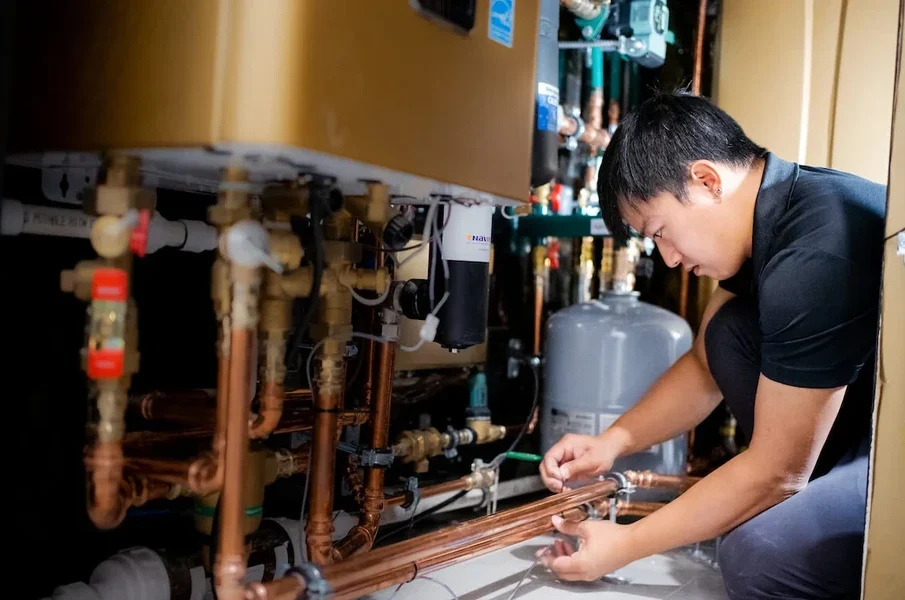
Every commercial building in Central Texas runs on a plumbing calendar, even if nobody at the business has ever seen it written down. Some items come due every day, some every quarter, some once a year, and a few arrive every decade or two with a much larger bill attached. The owners who make it through a summer rush or a hard freeze without taping a closed sign to the door are usually the ones who know where they stand on that calendar.
This metro fills that calendar faster than most. New restaurants keep opening from the Domain out to Hutto, flex warehouses and office parks keep filling in along SH 130, and plenty of older strip centers still drain through their original cast iron. Add hard water, clay soil that heaves and settles around buried pipe, and utility codes that take grease and backflow seriously, and the entries stack up quickly.
Keeping businesses ahead of that schedule is the everyday work behind Austin Metro Area commercial plumbing crews like the family-led team at Extreme Plumbing and Hydro-Jetting, based in Hutto since 2011. Master plumber Derril Peralez (License M-40298) oversees work ranging from rapid response maintenance calls to color video inspection, pipe locating and high pressure jetting on mains up to 10 inches, and weekend emergency service covers the lines that refuse to wait until Monday.
What Wears Down Between Opening and Closing
The smallest entries on the calendar happen every day, and they rarely feel like plumbing problems until they add up. A few worth watching:
- Flush valves on toilets and urinals that keep running after each use, wasting water around the clock
- Floor drains in storage rooms or restrooms that go unused, letting the trap dry out and sewer gas drift into the space
- Faucets and sensor valves stiffened by the mineral scale that Central Texas water leaves behind
- Hand sinks and mop sinks that new staff treat as a place to dump fryer oil or food scraps
Most of these cost little to fix early. A trap primer or a weekly bucket of water keeps floor drains sealed. A short walkthrough during onboarding, covering scraped plates, sink strainers and what never goes down a drain, prevents more service calls than any fixture upgrade.
Every Ninety Days, Whether Anyone Remembers or Not
For any business that prepares food, the grease interceptor sets the most important rhythm. Inside Austin city limits, Austin Water requires traps to be pumped at least every 90 days, and sooner if grease and solids reach half of the trap’s wetted depth. Only a hauler holding a city permit can remove the waste, and the manifest from every pump out has to stay on site for three years. Enzyme and bacteria products that push grease through the trap are banned outright, and each missed requirement counts as its own violation.
Busy kitchens often land well short of the 90 day mark, since the utility’s own guidance suggests many traps need attention every month or so. Round Rock, Georgetown, Hutto and the other surrounding cities run their own programs, so the fine print shifts from one address to the next. The line running from the kitchen to the interceptor deserves attention too. Grease coats that short stretch long before it reaches the trap, and periodic jetting keeps it from becoming a Friday night backup.
The Yearly Test That Protects Everyone’s Water
Backflow prevention assemblies sit on connections where contaminated water could reverse into the public supply. That includes irrigation systems, fire lines, boilers, soda dispensers and chemical feed equipment. In the Austin Water service area, each assembly must be tested every year by a tester licensed through TCEQ and registered with the utility, with results filed online within days of the test.
The same annual visit is a good time to handle a few related jobs.
- Flush commercial water heaters, where hard water sediment shortens tank life and chokes tankless units
- Check pressure reducing valves and thermal expansion tanks, since high street pressure wears out fixtures fast
- Confirm that above ground backflow assemblies have insulated enclosures before winter, a lesson many businesses learned the hard way during the last major statewide freeze
Slow Trouble Under the Slab
The biggest calendar entries move slowest. Cast iron drains in older buildings corrode from the inside, building scale that narrows the pipe until it cracks. Clay soil movement can separate joints or create sags where waste settles instead of flowing. Mature trees around older centers find those gaps and send roots in.
The early signs are easy to dismiss. Drains in several restrooms slow at once, a sewer smell lingers near the building’s lowest point, or the water bill climbs with no obvious cause. A camera inspection shows whether cleaning will restore the line or whether a spot repair, pipe lining or replacement makes more sense. It is also worth ordering before signing a lease or buying an older property, because the footage becomes a record of the line’s condition on the day you took it over.
Where Leases Get Complicated
Many commercial leases, especially triple net agreements, hand interior plumbing to the tenant while leaving main lines and structural repairs to the landlord. The boundary between the two is often vague, and a sewer backup is the worst possible time to start negotiating it. Reading that clause closely, and keeping photos or video from move in, saves arguments later.
Choosing Someone Who Keeps the Calendar Too
Not every plumber who does good residential work is set up for commercial buildings. Useful questions before hiring include these.
- Is the license current with the Texas State Board of Plumbing Examiners?
- Does the company have its own camera and jetting equipment, or does it subcontract?
- Can it work after hours so repairs do not interrupt business?
- Will it provide footage and written findings you can keep on file?
A plumbing calendar only helps if someone is reading it. The businesses that keep their doors open through every rush and cold snap are usually the ones that treat plumbing as a schedule to maintain rather than a surprise to react to.




-
Choosing the Best Ready to Assemble Cabinets for Your Kitchen
If you’re thinking about upgrading your kitchen, cabinets are a great place ... -
-


