
Preparing Burley Windows for Spring Wind and Irrigation Season
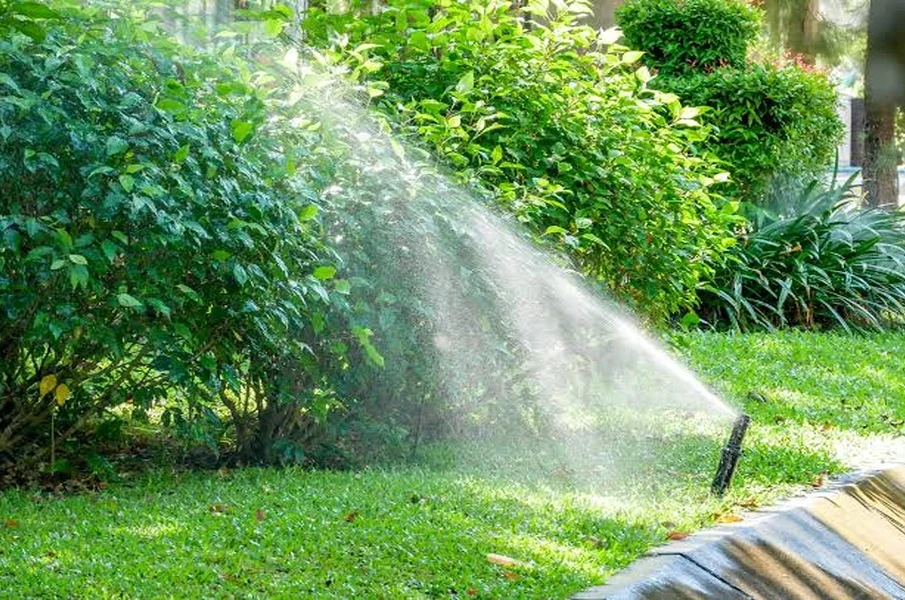
Spring in Burley brings two things that test a window: wind and water. April brings average wind speeds close to 10 mph, and irrigation season gets going early. The Burley Irrigation District opened the headgates at Minidoka Dam on April 2 in 2026, and its pump foreman said pumping usually starts around April 16 or earlier. Homeowners who want to compare replacement options can browse the product pages at nuvuglass.com, but most spring work begins with a simple inspection.
Wind finds the weak points in a window, so check the parts that keep air out and let water drain:
- Weatherstripping. Replace it if it is cracked, compressed or torn.
- Caulk. Check the exterior joint between the window frame and the wall for cracked or separated caulk. Keep weep holes and other drainage openings clear.
- Tracks and sills. Check for damage or sticking. If a track needs lubrication, follow the window manufacturer’s instructions.
- Weep holes. Check the sill and track for standing water or blocked drainage openings. Follow the manufacturer’s instructions if you need to test or clear the drainage system.
- Latches and screens. Make sure each sash pulls tight when locked, patch small tears in screens, and replace screens with larger holes.
Check the inside corners of the window frames after heavy rain. Water marks on the sill, damp paint or swollen wood can point to a leak around the frame.
After a windy day, open the windows and look for dust gathered in the track corners. Clear out any grit that has collected near the rollers, as it can make the sash harder to slide.
Sprinkler Stains or a Failed Window Seal?
White or cloudy marks on the outside of a window often come from sprinkler water left to dry on the glass. Pilkington explains that mineral deposits can become difficult to remove and may stain or etch the surface if they remain for long periods. If the deposits remain, check the manufacturer’s cleaning instructions before using vinegar or another acidic cleaner, especially on coated glass.
Haze or moisture trapped between double-pane glass usually means the insulated glass unit’s seal has failed. A draft around a closed window points to a different problem, such as worn weatherstripping, a gap around the frame or a sash that no longer closes squarely. Cleaning the glass will not fix either fault.
Keep Sprinklers Off The Glass
Before the season gets busy, run each sprinkler zone and watch where the spray lands:
- Adjust or cap any head that reaches a window or frame.
- Dry the glass after washing instead of letting water evaporate on it.
- Wipe off overspray early, before deposits build up.
Check sprinkler coverage at different times of day. Wind can carry water beyond the area reached during a test, so look at nearby windows and frames after the system has been running.
Schedule Repairs Before Summer
If an inspection turns up a failed seal or a window that no longer closes properly, arranging repairs in spring leaves time to complete the work before summer. Replacement windows are made to measure, so acting ahead of the warmest months leaves time for measuring, ordering and installing before summer heat and fall winds return.
Getting A Second Opinion
The Burley team at Nu-Vu Glass handles residential window inspections, repairs and replacements. Its technicians check the glass, seal and frame before recommending the work needed. The company also publishes window care advice, including guidance on cleaning tracks, frames and glass. For homeowners unsure whether a window needs repair or replacement, an inspection can help clarify the options.


-
Can Spray Foam Insulation Help Me Save On Hydro Bills?
Spray foam by insulation services is an excellent energy saver because it ... -
-


