5 Toilet Repair Problems to Check Before Calling a Plumber
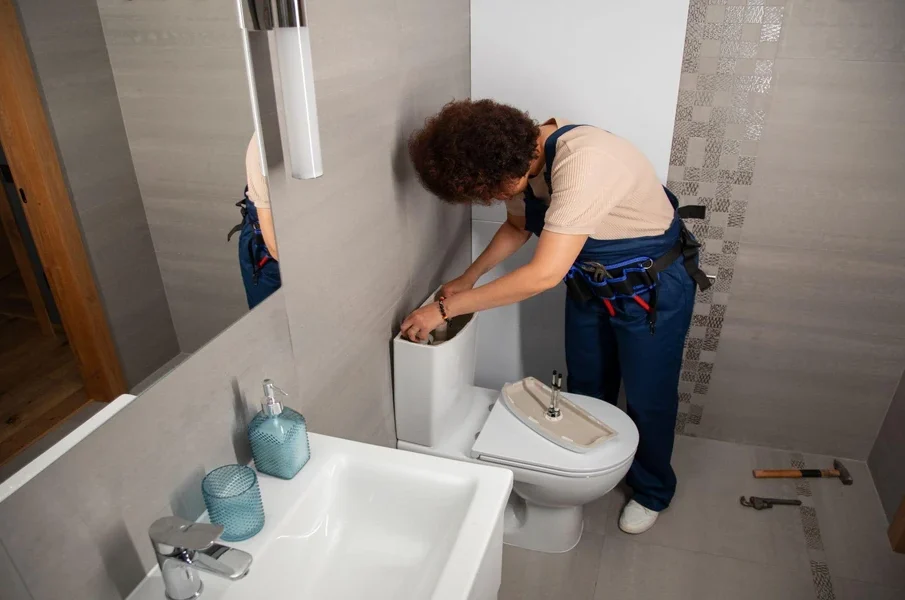
A toilet can develop small problems that become increasingly inconvenient when they are left unattended. Running water, weak flushing and unpleasant smells may come from different components, so identifying what you can observe helps provide useful information before a professional visit. A few simple checks can also show whether the issue appears isolated or affects other bathroom fixtures. For homeowners arranging toilet repair in Singapore, understanding the visible symptoms can make the repair assessment more straightforward.
1. Check If Water Keeps Running
A toilet that continues filling after flushing may have an issue with the internal mechanism, inlet valve or another component inside the cistern. The sound can range from a constant trickle to a more noticeable flow, depending on the severity of the problem.
First, flush the toilet normally and observe the cistern as it refills. If the water continues running after the expected refill period, check whether the internal components appear to settle correctly. Do not force parts or make adjustments if you are unsure how the mechanism works.
A running toilet can waste water over time even when the leak is not visible on the bathroom floor. Recording when the problem occurs and how long the water continues to flow can give a plumber useful information during assessment.
2. Check Whether the Flush Has Become Weak
A flush that no longer clears the bowl effectively may indicate several possible problems. Low water levels inside the cistern, a partially blocked passage or an issue with the flushing mechanism can affect performance.
Observe whether the problem occurs after every flush or only occasionally. If other bathroom drains are also slow, the issue may extend beyond the toilet itself. If the toilet alone has become less effective, attention may need to focus on its internal mechanism or waste outlet.
Avoid repeatedly flushing in an attempt to clear a suspected blockage. If the bowl begins filling unusually high, stop using it until the cause has been assessed. This can reduce the risk of an overflow.
3. Look for Water Around the Base
Water appearing around the base of the toilet should not be ignored. It may come from a supply connection, waste connection, seal or another nearby source. The position of the water alone does not identify the cause because water can travel across flooring.
Dry the surrounding area carefully and observe when the moisture returns. Does it appear after flushing, while the toilet is filling or even when the toilet has not been used? This information can help narrow down the source.
Do not apply sealant around the base simply to stop visible water. If the underlying connection or seal requires attention, covering the area may make future inspection more difficult.
4. Check for Unusual Smells
Persistent unpleasant smells from a toilet can indicate a drainage, seal or ventilation issue. A temporary smell immediately after use is different from a recurring odour that remains even when the bathroom has been cleaned.
Check the surrounding area, floor drain and other nearby fixtures before assuming the toilet itself is responsible. If the smell continues and appears strongest around the toilet base, professional inspection may be appropriate.
Good bathroom ventilation and regular cleaning can help manage ordinary odours, but they will not resolve a plumbing defect. Identifying when the smell occurs can help distinguish a temporary issue from a recurring one.
5. Check the Flush and Refill Mechanism
A toilet may flush inconsistently if its handle, button, chain, valve or internal mechanism does not operate correctly. You may notice a handle that feels loose, a button that requires repeated pressing or a cistern that does not refill normally.
Observe the mechanism without forcing it. If the toilet works after repeated attempts, that does not necessarily mean the issue has disappeared. Intermittent faults can become more disruptive later, particularly if an internal component continues to wear.
For homeowners considering toilet repair in Singapore, noting the exact behaviour can help a plumber understand which part of the toilet requires inspection.
Quick Checklist
- whether the toilet runs after flushing
- whether the flush has become weaker
- where water appears around the toilet
- when unusual smells occur
- whether the handle or button works normally
- whether the issue happens after every use
- whether other drains or fixtures are affected
These observations do not replace a professional diagnosis, but they can make the initial assessment more efficient. They can also help distinguish a toilet-specific problem from a wider drainage concern.
If the toilet is overflowing, leaking significantly or becoming unusable, arrange professional help rather than continuing to test it. Toilet repair in Singapore may involve replacing a worn component, correcting a connection or addressing a drainage issue, depending on the cause.
Contact QB Plumbing to discuss the toilet problem and arrange appropriate repair assistance.



-
Tips to set-up a perfect room for the kids (that like gaming)
A dream of all computer game enthusiasts or console gamers is ... -