
6 BTO Toilet Bowl Installation Checks to Make First
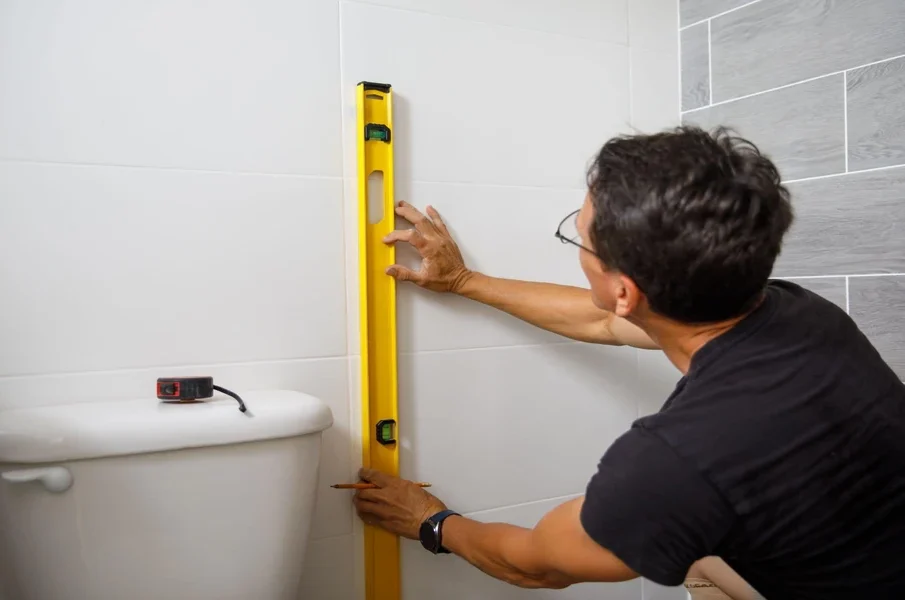
Installing a new toilet bowl involves more than choosing a model that fits the bathroom visually. The available space, existing plumbing points, waste outlet position and surrounding fixtures can all affect the installation process. This becomes particularly relevant in a newly occupied or upgraded BTO flat, where homeowners may want to replace the existing sanitaryware as part of a bathroom improvement project. Before arranging toilet bowl installation in Singapore, it helps to review the practical requirements first.
1. Confirm the Bathroom Measurements
Start by measuring the available floor area around the toilet position. Check the distance from the rear wall, nearby walls, cabinets, shower screens and other fixtures. A toilet can fit within the general bathroom area yet still create an uncomfortable layout if there is insufficient clearance.
Consider the bowl’s overall projection, width and height rather than focusing only on the floor footprint. The lid also needs enough space to open without hitting a wall or cabinet.
For a BTO toilet, existing bathroom dimensions can influence which toilet designs are practical. Confirm measurements before purchasing a model so that the installation does not become a last-minute fitting problem.
2. Check the Waste Outlet Position
The toilet’s waste outlet needs to align appropriately with the existing drainage arrangement. Different toilet designs can use different outlet configurations, so selecting a model based solely on appearance may create compatibility issues.
Ask a plumber to assess the existing outlet and confirm the type of toilet suitable for the space. If the homeowner plans to change the toilet position, additional plumbing work may be required, and the feasibility depends on the bathroom’s existing layout.
Do not assume that every modern toilet can replace every existing model without adjustment. Confirming compatibility before purchase can prevent unnecessary delays.
3. Review the Water Supply Connection
The water inlet position and connection type should also be checked before installation. A replacement toilet may require fittings that differ from the existing setup, depending on the model selected.
Inspect the existing connection for signs of wear or corrosion while planning the replacement. If the connection already shows signs of deterioration, replacing or servicing the relevant component during installation may make practical sense.
This is especially useful when upgrading an older toilet rather than installing sanitaryware in a completely new bathroom. A professional can determine which fittings are suitable for the selected model.
4. Consider Bathroom Access
The route from the entrance to the bathroom can affect how the new toilet is brought into position. Measure door openings and consider narrow corridors, built-in cabinets and other obstacles that may restrict movement.
This point can seem minor until the installation day. A toilet that fits the bathroom may still be difficult to move into position if access is restricted.
For a BTO toilet replacement, check the route before arranging delivery and installation. If other renovation work is taking place, coordinate the timing so that the toilet does not interfere with tradespeople working around the bathroom.
5. Check the Floor and Existing Installation Area
The floor around the existing toilet should be reasonably suitable for the replacement. Look for visible cracking, uneven areas, moisture damage or signs that the previous toilet has leaked.
The condition of the floor can affect how securely the new toilet sits. A professional installer can assess whether the existing surface needs attention before fitting the new unit.
Avoid assuming that a new toilet will hide every issue left by an old installation. Persistent moisture or an uneven surface may need to be addressed separately.
6. Confirm the Toilet’s Maintenance Requirements
Consider how easy the selected toilet will be to clean and maintain. The shape of the bowl, accessibility around the base and design of the cistern can affect routine upkeep.
Homeowners should also review the manufacturer’s care instructions and installation requirements before purchasing. Some models may have specific fitting requirements or replacement parts.
When planning toilet bowl installation in Singapore, choosing a suitable model involves considering future maintenance as well as immediate appearance. A practical choice can make cleaning, inspection and future servicing easier.
Preparation Checklist
- bathroom dimensions and clearances
- waste outlet position
- water supply connection
- delivery access
- floor condition
- toilet model compatibility
- maintenance requirements
- any renovation work scheduled around the installation
These checks help reduce avoidable complications. They also give homeowners a clearer basis for discussing the installation with a plumber before purchasing the toilet.
If the bathroom layout is unusual or the existing connections are difficult to access, professional assessment should take place before the new unit arrives. A BTO toilet may have a straightforward layout, but every installation still needs to match the existing plumbing and available space.
Contact QB Plumbing to discuss your bathroom requirements and arrange toilet bowl installation in Singapore where suitable.



-
Do You Need to Hire a Lawyer for Contested Divorce?
A contested divorce is a complex legal proceeding that can involve an ... -