
The Beginner’s Guide to Flower Arranging That Actually Works
Important Points
- Mastering the basics of stem preparation ensures your blooms stay vibrant for longer periods.
- Selecting a balanced colour palette helps create a professional look without requiring complex tools.
- Incorporating specific focal flowers provides a clear visual anchor for any arrangement style.
- Understanding local sourcing options helps you find the freshest seasonal stems for your projects.
Introduction
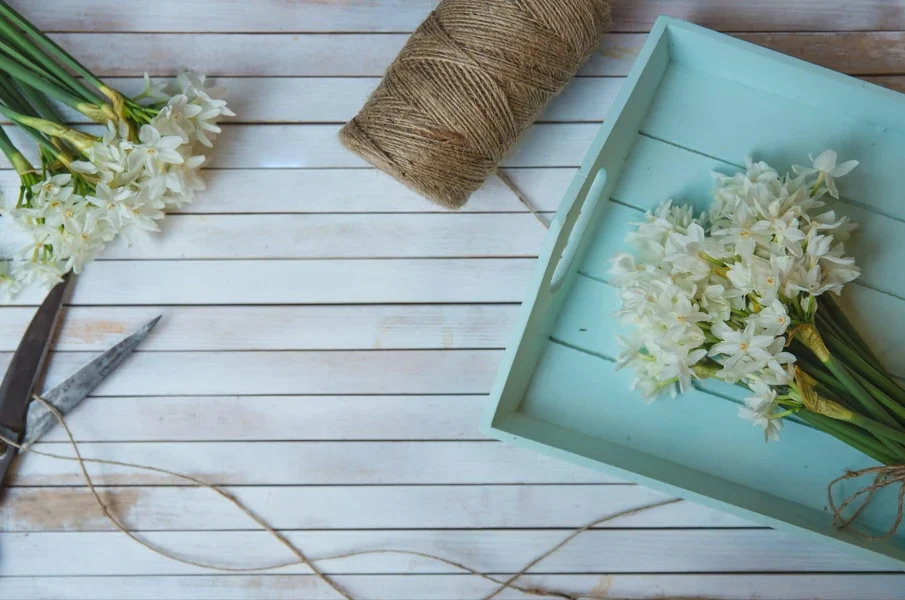
Finding a creative outlet often leads people to explore the natural beauty of gardening and interior styling. Many individuals find solace in the tactile process of handling fresh petals and green foliage during their weekend downtime. A thank-you flower bouquet serves as a perfect starting point for anyone looking to understand the fundamental balance of colour and form. By focusing on a single purpose, such as expressing gratitude, you can narrow your flower choices and avoid the overwhelm of too many options. This hobby allows you to transform a simple room into a sanctuary of scent and texture with just a few mindful movements.
Preparing Your Workspace and Materials
Before you even touch a stem, you must ensure your environment is ready for the delicate nature of cut plants. Using clean shears is the most vital step because jagged edges or bacteria can prevent water from traveling up the stem efficiently. Once you have gathered your vessels, fill them with lukewarm water and a small amount of floral preservative to keep the blooms nourished. You might consider visiting a florist to source sturdy greenery like eucalyptus or ruscus which provides a strong structural base. These hardy greens act as a skeleton for your design, allowing softer, more delicate flowers to sit securely without drooping over the edge of the vase.
Building a Balanced Foundation
Structure is what separates a professional-looking display from a random cluster of plants in a jar. Start by placing your largest or most textured foliage in a criss-cross pattern to create a natural grid that holds everything in place. This grid system eliminates the need for plastic foams or complicated wires, making the process much more sustainable and accessible for a novice. As you add your secondary filler flowers, try to vary the heights to mimic how they might grow in a wild meadow. If you happen to be crafting a thank-you flower bouquet for a friend, choosing a mix of open blooms and closed buds ensures the arrangement continues to evolve and “bloom” over the coming days.
Selecting Focal Points and Finishing Touches
Every successful arrangement needs a star of the show to draw the eye and provide a sense of harmony. Choose three or five large blossoms, such as roses or lilies, and place them at varying depths within your green foundation to create a three-dimensional effect. This technique prevents the display from looking flat or one-sided, which is particularly important if the flowers will sit on a dining table or kitchen island. If you are unsure which seasonal varieties are currently available, chatting with a local florist in Singapore can provide insight into which stems have the sturdiest heads. Finally, step back and look for any “holes” or empty spots that might need a sprig of baby’s breath or a stray leaf to complete the silhouette.
Conclusion
Developing a knack for floral design is less about following rigid rules and more about observing how different shapes interact with one another. When you take the time to trim each stem at an angle, you are giving the plant the best possible chance to thrive in its new environment. Whether you are assembling a thank-you flower bouquet for a colleague or simply brightening your own hallway, the intentionality behind the gesture is what truly resonates. Practice brings a sense of intuition, helping you decide which textures pair well together and which heights offer the most visual impact. By starting with these basic steps, you can confidently turn a bundle of market flowers into a sophisticated display that brings a touch of the outdoors into your daily life.
Contact D’Spring Flowers to find the perfect seasonal stems for your next creative project.





-
Safe Ship Moving Services Lists the Advantages of Availing Packing Services During a Move
Packing is a vital part of the moving process that often does ... -
-