
Why Fayetteville’s Wooded Hillsides Bring Pests Close to Homes
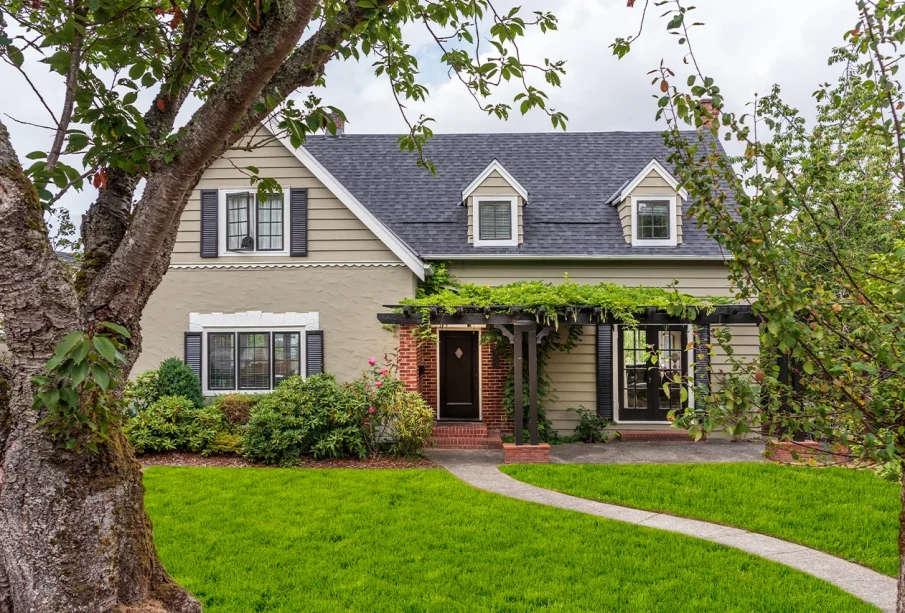
Fayetteville is on the edge of the Boston Mountains, a steep, wooded part of the Ozarks in Northwest Arkansas. The city climbs across hills and ridges at about 1,378 feet, and homes here often back up to trees, brush, and dense cover. Fayetteville has also grown fast. Its population rose from about 73,600 in 2010 to nearly 94,000 in 2020, and building has pushed neighborhoods farther into the surrounding woods. When homes stand this close to forest, the pests that live in that cover end up close to the house as well. Northwest Arkansas remains one of the fastest-growing parts of the state, so more of this wooded land turns into neighborhoods every year.
A local pest control company in Fayetteville, AR understands how wooded hillsides shape the pest load. A technician who works these neighborhoods can read the brush lines, damp slopes, and shaded lots that feed pest activity. Treating the yard and perimeter first keeps many of these pests from reaching the walls.
Why Homes at the Forest Edge Face More Pests
Land that was woodland a few years ago now holds streets and houses. That change puts homes in direct contact with insects, ticks, and wildlife that already lived there. Deer, raccoons, and rodents travel between the woods and yards, and they carry pests with them. Trees and brush close to a house give ants, spiders, and wasps an easy bridge to the walls and roof. The closer a home stands to cover, the more of this contact it sees. Once wildlife starts crossing a yard, the fleas, ticks, and mites it leaves behind can settle in even after the animal moves on.
Why Wooded Lots Are Tick Country
Ticks thrive in the shaded, brushy ground around Fayetteville homes. The Arkansas Department of Health reports that ticks cause more human disease in the state than any other insect or arthropod. The Lone Star tick is common across Arkansas and can spread ehrlichiosis, tularemia, and the meat allergy known as alpha-gal syndrome. Tall grass, leaf litter, and deer trails near a yard raise the risk for families and pets. Keeping grass short and clearing brush along the property edge reduces the places ticks wait for a host. Ticks are most active from spring through early fall, so yards near wooded areas need closer attention during these months.
What Damp, Shaded Slopes Do to Pest Pressure
Hillside lots can retain moisture in areas where flat ground drains more quickly. Shade from tree cover keeps the soil and leaf litter damp for long stretches. Carpenter ants look for this damp, decaying wood in stumps, fallen limbs, and the edges of a home. Spiders, millipedes, and centipedes settle into cool, moist ground near foundations. Creeks and drainage channels along the slopes hold standing water that breeds mosquitoes through the warm months. Downhill drainage keeps the lowest part of a lot wet, which is often where these moisture pests gather in the greatest numbers. A crawl space cut into a hillside can stay damp year-round, giving these pests a reliable place to live.
Why Wooded-Edge Homes Need a Perimeter Focus
A home surrounded by woods needs its defense built at the property line, not just indoors. Palisade Pest Control focuses on the yard and the home’s perimeter, treating the brush lines, damp slopes, and entry points that wooded lots create. Regular visits let a technician manage tick and ant pressure at the edge before it reaches the house. For a Fayetteville home built into the Ozark woods, steady perimeter care is the most practical way to hold the surrounding pests back. Treating before the warm season begins can also address tick and ant activity before it increases in spring.






-
Luxury Meets Function: High-End Carpentry Projects Redefining Dubai Interiors
High-end carpentry has become one of the most influential elements in shaping ... -
-


