
Should You Replace or Repair Damaged Tile Grout? Factors to Consider
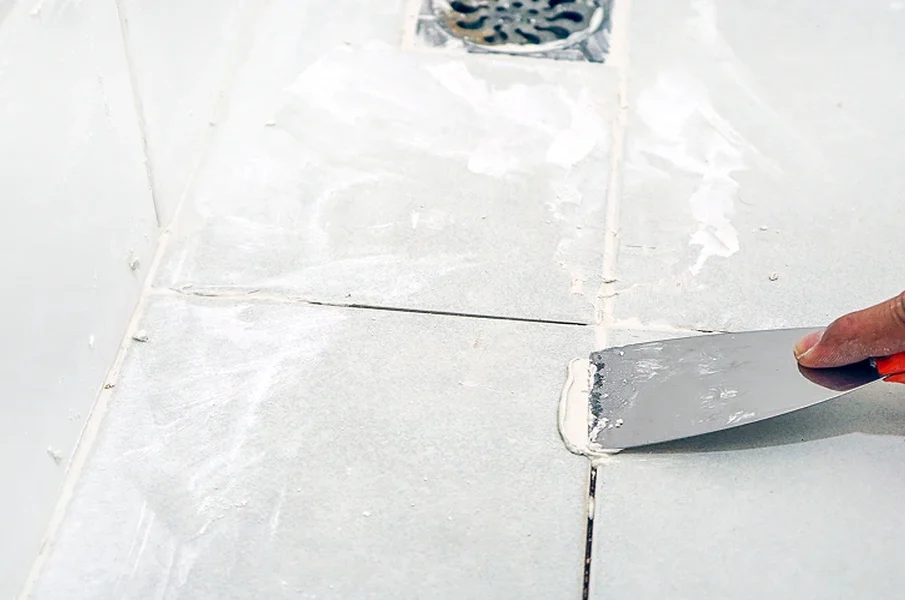
Few things ruin the look of a sleek kitchen or immaculate bathroom faster than cracking, discoloured, or crumbling tile grout. As time passes, moisture, foot traffic, and harsh cleaning chemicals take a toll on those narrow lines between your tiles. When you notice signs of failure, a crucial decision arises: should you patch up the problem or strip it all away for a complete overhaul?
Deciding between repairing and replacing your grout isn’t just about aesthetics; it also affects your home’s structural integrity and your long-term maintenance budget. Whether you’re dealing with minor hairline cracks or widespread water damage, understanding the key factors will help you make the right choice for your home.
The Tell-Tale Signs: Assessing Your Grout’s Condition
Before you buy supplies or contact a contractor, inspect your tiles carefully. The extent of the damage dictates your next move.
- Minor Cracks and Hairline Fissures – If you notice isolated hairline fractures in areas with low moisture, localised repair often solves the issue. You can carefully scrape out the damaged section and apply fresh mortar.
- Surface Stains and Mildew – Stubborn discolouration often stays on the surface. Deep cleaning or top-layer grout raking usually restores the fresh look without requiring a full tear-out.
- Chipping, Crumbling, and Holes – When tile grout crumbles into powder, or chunks fall out, the bond has failed. Moisture has likely seeped behind the wall or floor.
- Loose or Squeaking Tiles – If your tiles wobble or shift when you step on them, the underlying structure has lost its grip. In this scenario, simple patching will fail quickly.
Cost, Effort, and Time: Weighing Your Investment
Every home improvement project comes down to balancing time, effort, and budget. Repairing small sections takes minimal effort and keeps costs low. You simply remove the loose material, clean the seam, and pack in fresh compound. Homeowners who enjoy DIY projects can finish small touch-ups over a single weekend.
Complete replacement, however, demands significantly more labour. Removing old material requires specialised grout-removal tools or oscillating multi-tools to avoid chipping fragile tile edges. This intensive labour increases cost, especially if you hire specialists skilled in professional grouting in Singapore to handle sprawling living rooms or intricate mosaic shower floors. However, replacing the entire floor guarantees a uniform colour and structural stability that lasts for years.
The Moisture Threat: Protecting Your Substrate
Moisture is the ultimate enemy of tiled surfaces. In high-humidity areas like showers and kitchens, failing tile grout lets water seep behind the tiles. This moisture rots drywall, weakens timber subfloors, and fosters hidden mould growth.
If water penetration has already reached the substrate, patching the surface only traps moisture inside, accelerating damage. Homeowners living in humid tropical climates frequently face this issue, as high ambient humidity prevents trapped moisture from drying naturally. In these damp environments, investing in comprehensive grouting in Singapore ensures a full watertight seal, protecting your home’s structural integrity over the long haul.
Patchwork vs. Perfection: The Visual Outcome
Aesthetics play a massive role in your final choice. Matching new mortar to existing joints is notoriously difficult. Over time, sunlight, cleaning agents, and daily wear alter the original shade of your floor. Even if you buy the same brand and colour code, the new patch will likely stand out against aged surroundings.
If you care about visual continuity across a large floor, replacing the entirety of the tile grout delivers a clean, unified finish. A total overhaul also lets you update your interior design by choosing a modern contrast colour or applying stain-resistant epoxy formulations.
Making the Right Choice for Your Tiled Surfaces
When deciding whether to repair or replace your tile grout, assessing the depth of the issue makes all the difference. Small, isolated hairline cracks or superficial stains call for quick, budget-friendly repairs. However, widespread crumbling, severe moisture penetration, or uneven colour fading require a complete replacement to protect your walls and subfloors from structural damage. Evaluating these key factors ensures you keep your tiles looking seamless, hygienic, and resilient for years to come.
Frequently Asked Questions
How do I know if my tile grout has mould beneath it?
Persistent black discolouration that returns shortly after scrub cleaning usually indicates mould growth beneath the tiles. Damp smells or squishy surrounding drywall also signal hidden moisture buildup.
Can I apply new grout directly over old grout?
No. Never apply a new layer directly over old material. The new layer will not adhere properly, leading to quick cracking and peeling. Scrape out at least 2-3 mm of old material first.
How long does fresh tile grout last?
Standard cement-based options usually last 8 to 15 years with proper sealing and maintenance. Advanced epoxy alternatives can last well over 20 years without cracking or staining.
Contact Grout ProTech today for a free consultation and bring your tiled surfaces back to life!






-
The Ultimate Guide to RTA Inset Cabinets Design Quality and Value
Ready-to-assemble (RTA) inset cabinets are revolutionizing the way homeowners approach kitchen and ... -
-