
7 Common Mistakes Homeowners Make During HDB Resale Interior Design Projects
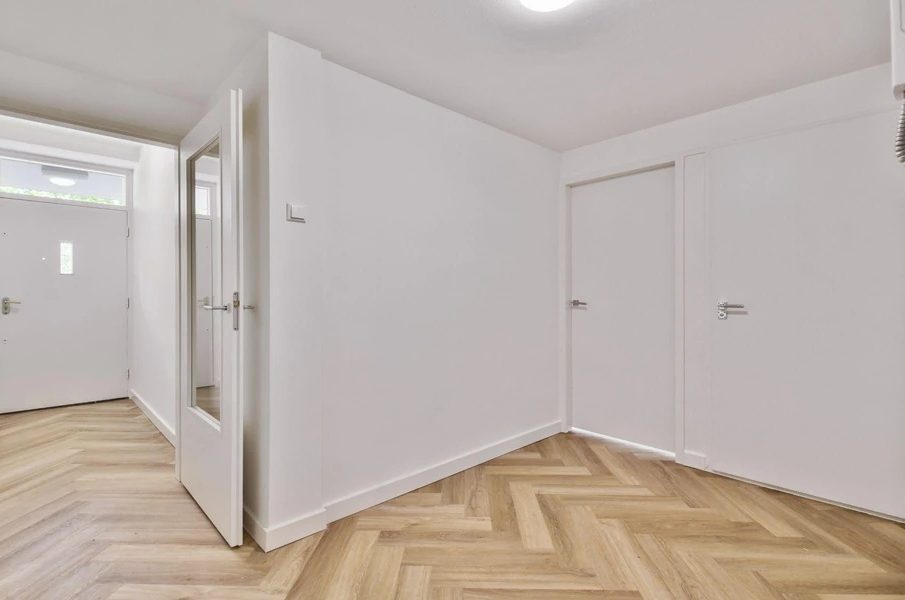
Resale flats come with a history the buyer didn’t write. Previous owners have hacked walls, tiled over tiles, rerouted wiring, and built in carpentry that may or may not have been approved at the time. All of that becomes the new owner’s problem the moment renovation starts, and several of the most expensive mistakes in HDB resale interior design in Singapore stem from assuming the flat is a blank slate rather than an inherited set of conditions that needs checking first.
1. Assuming Every Non-Structural Wall Can Be Hacked
HDB has specific rules on which walls can be removed, and reinforced concrete walls generally cannot be touched regardless of how non-essential they appear to a layout. Planning an open-plan kitchen or a combined bedroom around removing a wall that turns out to be prohibited means redesigning from scratch after design fees have already been spent.
2. Not Checking Whether Previous Renovations Were Approved
Unauthorised works carried out by a previous owner can become the current owner’s responsibility to rectify once HDB becomes aware of them during a new permit application. Checking the flat’s renovation history before finalising any plans avoids inheriting a reinstatement obligation partway through a project that was budgeted for something else entirely.
3. Tiling Over Existing Tiles to Save on Hacking Costs
Overlaying new tiles onto existing ones is sometimes proposed as a cost saving, but it raises floor levels, can create threshold and door clearance problems, and adds loading that HDB regulates. It also makes future work considerably more difficult. The upfront saving frequently costs more than it returns once these knock-on effects surface.
4. Underestimating the Condition of Existing Electrical Wiring
Older resale flats often have wiring that was adequate for a previous era’s appliance load but falls short of what a modern household actually runs. Discovering this after carpentry and finishes are installed means opening up completed work to rewire, which is among the more avoidable sources of rework in residential interior design in Singapore.
5. Overlooking Waterproofing in Wet Areas Before Finishes Go In
Existing waterproofing membranes in bathrooms and kitchens deteriorate over decades, and laying new finishes over compromised waterproofing almost guarantees a leak affecting the unit below within a few years. Verifying and, where needed, redoing waterproofing before tiling is a cost that feels optional at the time and rarely is.
6. Finalising Furniture Before Layouts Are Confirmed
Buyers frequently order furniture during the design phase, anchored to a layout that later shifts once hacking constraints or wiring realities are properly established. Pieces arrive that no longer fit the revised plan, and returning or storing them adds cost that a slightly more patient sequence would have avoided entirely.
7. Choosing a Contractor Without Checking HDB Registration
Renovation work in HDB flats must be carried out by contractors registered under the relevant HDB scheme, and engaging an unregistered contractor can invalidate permits and create liability for the homeowner. Confirming registration status before signing is a straightforward check that’s easy to skip when a quotation looks attractive.
Common Mistakes Worth Avoiding
- Planning a layout around hacking a wall HDB won’t permit removing
- Failing to check whether previous owners’ renovations were approved
- Tiling over existing tiles to avoid hacking costs
- Assuming existing wiring can handle a modern appliance load
- Laying new finishes over deteriorated waterproofing membranes
- Ordering furniture before the final layout is actually confirmed
- Engaging a contractor without verifying HDB registration status
What a Proper Pre-Design Audit Actually Prevents
Almost every mistake above traces back to the same root cause, which is starting design work before the flat’s actual condition and regulatory constraints have been established. A firm handling HDB resale interior design in Singapore that insists on a thorough site assessment before producing a layout isn’t slowing the project down; it’s removing the specific unknowns that turn into rework later. That sequencing matters more in resale flats than in any other property type, precisely because of the history each unit carries.
Contact Jialux Interior to arrange a pre-design site assessment of your resale flat and identify constraints before layout planning begins.





-
Luxury Meets Function: High-End Carpentry Projects Redefining Dubai Interiors
High-end carpentry has become one of the most influential elements in shaping ... -

