
How to Pick Outdoor Lights That Last Through Every Season
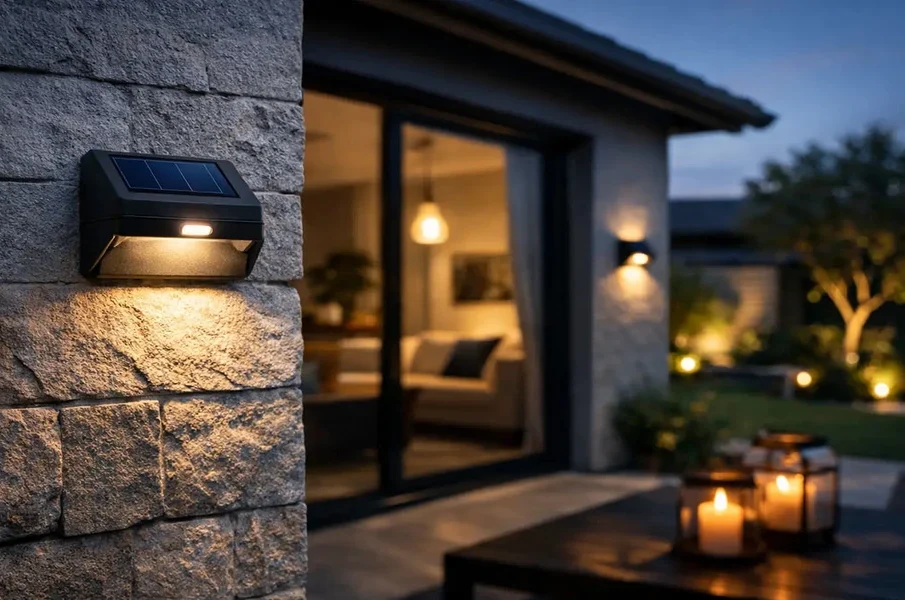
An outdoor light has a harder life than almost anything inside your home. It sits in rain, summer heat, freezing nights and direct sun, and it still has to look good and switch on when you need it. That is why picking by appearance alone often ends in rust, fogged lenses and flickering bulbs after one or two seasons. If you are building a shortlist, a look at the best brands for outdoor lighting shows how the main options compare.
This guide covers what to check so the fixtures you choose keep working.
Check the materials first
Solid brass, copper and aluminum with a powder-coated finish resist corrosion better than thin painted steel. If you live near the coast, pay extra attention to the finish, since salt air attacks cheap coatings quickly. Glass lenses age better than clear plastic, which can yellow in strong sun.
Understand the weather rating
Look for a wet-location rating on fixtures that will be exposed to rain, and a damp-location rating for covered porches. The listing tells you whether water getting into the housing is expected. A good gasket around the lens and sealed wire entry points are signs the maker thought about water.
Choose the right brightness
More lumens is not always better. A porch usually needs around 400 to 800 lumens, a path light much less, and a security fixture more. Over-lighting creates glare and deep shadows that make it harder, not easier, to see. DarkSky International’s lighting principles put it simply: light should be no brighter than necessary and should only be on when needed.
Look at the light itself
Pick a warm color temperature, 2700K to 3000K, for living areas. Check the color rendering too, since a higher number makes plants, wood and stone look natural. Fixtures with integrated LEDs last a long time but cannot be repaired, while fixtures with replaceable bulbs give you more flexibility.
Add controls
Photocells, timers and motion sensors keep lights from running when nobody needs them. They also reduce wear. A fixture that runs ten hours a night wears out sooner than one that runs three.
Compare before you buy
Because the range of styles is so wide, it helps to read a side-by-side look at the best brands for outdoor lighting and see how finishes, warranties and design compare. Then match two or three candidates to your house style.
Maintenance that pays off
– Wipe lenses twice a year to remove dust and insects.
– Check seals and tighten loose screws in spring.
– Replace bulbs with the same color temperature so the look stays consistent.
– Trim plants that grow over fixtures.
Think about installation
Even a well-made fixture fails if it is installed badly. Use weatherproof connectors, seal the junction box with outdoor-rated caulk where the fixture meets the wall, and make sure the mounting surface is flat so the gasket sits tight. If you are replacing old fixtures, switch the power off at the breaker first. When you are unsure about wiring, hire a licensed electrician. It costs far less than repairing water damage inside a wall.
Match fixtures to the architecture
A fixture should suit the house. Traditional homes often look best with lanterns and warm metal finishes, while modern homes pair well with clean lines, matte black and slim profiles. Repeating the same finish on the door hardware, house numbers and lights ties the front of the house together and makes the whole exterior look planned.
Plan for the long term
It is tempting to buy the cheapest option for every location, but the lowest price often means replacing fixtures within a few years. Spending more on the fixtures that are most exposed, such as those on a south-facing wall or near a pool, usually saves money over time. Keep the receipts and warranty details, and note the bulb type so replacements match.
A fixture chosen for materials and sealing, not only looks, can last a decade. Spend the extra time on the specs and you will not have to redo the work in two years.






-
What sort of Right Lighting Can Create A Huge Difference
Allowing the best atmosphere with light is obviously a skill in addition ... -
-


