
How VRF Air Conditioning Meets the Needs of Modern Office Buildings
Key Highlights
- Modern offices require cooling systems that can adapt to different occupancy levels.
- VRF technology allows independent temperature control across multiple zones.
- Well-designed centralised cooling systems improve comfort while supporting energy efficiency.
- Professional VRF aircon installation helps maximise long-term building performance.
Understanding VRF Solutions for Modern Offices
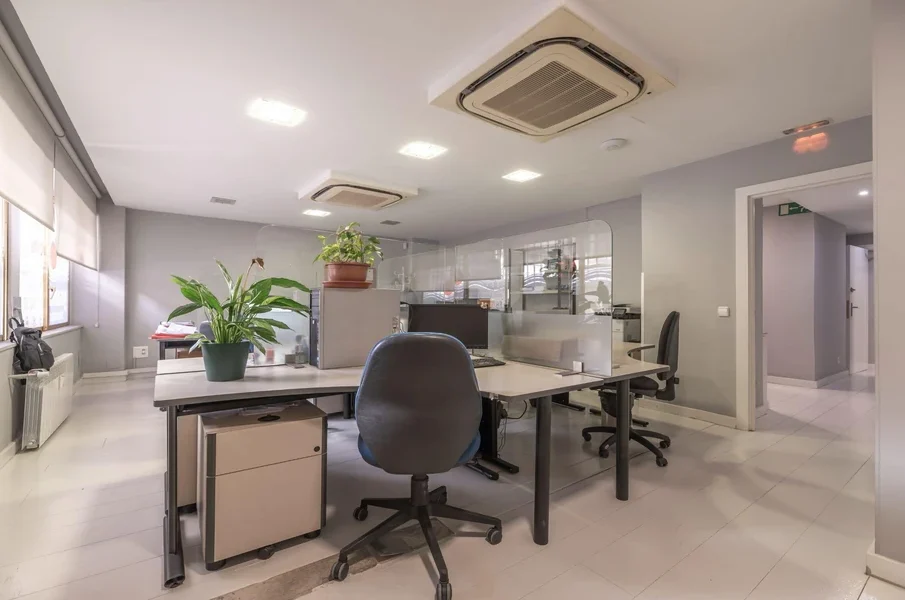
Office buildings have evolved significantly over the years. Flexible workspaces, collaborative meeting areas and private offices often exist within the same floor, creating different cooling requirements throughout the day. A single temperature setting rarely delivers consistent comfort across every part of the workplace.
Meeting these varying demands requires more than simply installing larger air conditioning equipment. Businesses increasingly look for systems that respond efficiently to changing occupancy while maintaining comfortable indoor environments for employees and visitors alike.
Among the available options, VRF aircon installation has become a popular choice for commercial developments because it combines flexibility, energy efficiency and reliable performance. Understanding how the technology supports modern office environments helps businesses make more informed decisions when planning building upgrades.
Adapting to Different Workplace Requirements
Office activity changes throughout the working day. Meeting rooms may fill quickly before becoming empty again, while open-plan workspaces maintain a steadier level of occupancy. Executive offices, reception areas and communal spaces also experience different cooling demands depending on how they are used.
Traditional air conditioning often struggles to accommodate these varying conditions efficiently. By contrast, centralised cooling systems designed with VRF technology allow different zones to operate independently, providing cooling only where it is needed without affecting the entire building.
A carefully planned cooling strategy enables each area to maintain an appropriate temperature while helping reduce unnecessary energy consumption, particularly when supported by a professional VRF aircon installation. Such flexibility creates a more comfortable environment without compromising operational efficiency.
Supporting Energy Efficiency Without Sacrificing Comfort
Air conditioning typically makes up a substantial portion of a commercial building’s ongoing operating costs. Finding ways to curb high energy consumption without creating an uncomfortable office environment is a major challenge for property owners. Modern centralised cooling systems solve this by abandoning the inefficient, all-or-nothing approach of traditional HVAC units.
By utilising VRF technology, these systems dynamically manage climate control based on the exact needs of each space.
- Dynamic Refrigerant Flow: Centralised cooling systems adjust refrigerant output to individual zones based on real-time demand rather than running continuously at full capacity.
- Cost Efficiency: Targeted energy use lowers overall operational expenses without compromising overall cooling performance.
- Elimination of Hot Spots: Precise temperature control stops drastic climate shifts, ensuring an even, reliable temperature from room to room.
- Enhanced Focus: Employees avoid constant thermostat adjustments and distracting temperature swings, allowing for a more consistent and productive working environment.
By maintaining stable indoor climates precisely where and when they are needed, property managers can significantly reduce wasted power while giving occupants a consistently pleasant atmosphere.
Flexibility for Growing Businesses
Modern businesses rarely remain static. Office layouts evolve as organisations expand, departments relocate, or collaborative spaces are introduced. Air conditioning systems need sufficient flexibility to accommodate these changes without requiring complete replacement.
One advantage of VRF aircon installation lies in its ability to support buildings with changing space requirements. Additional indoor units can often be incorporated into the overall system more efficiently than with traditional fixed configurations, depending on the building design.
Such adaptability makes VRF technology particularly suitable for businesses planning long-term occupancy. Rather than limiting future workplace changes, the system provides greater flexibility while continuing to deliver reliable cooling performance.
Planning for Long-Term Building Performance
Strategic investment in air conditioning extends beyond initial setup costs. Long-term maintenance, operational efficiency, and occupant comfort all dictate the true lifecycle value of your HVAC infrastructure.
Proper design and installation ensure centralised cooling systems deliver their intended performance. Balancing cooling capacity across distinct zones helps maintain efficient operation across fluctuating daily demands.
| Lifecycle Factor | Strategic Impact | Long-Term Business Value |
| System Design & Installation | Tailors cooling distribution to specific zone requirements. | Prevents capacity imbalances and lowers system strain. |
| Operational Efficiency | Adapts power usage to real-time workplace occupancy. | Reduces ongoing energy costs and carbon footprint. |
| Proactive Maintenance | Keeps VRF components functioning at peak parameters. | Minimises costly downtime and extends system lifespan. |
| Future-Proofing | Accommodates evolving operational and spatial needs. | Eliminates the need for premature, expensive overhauls. |
Businesses evaluating VRF aircon installation must weigh immediate needs against long-term operational goals. A meticulously planned cooling infrastructure provides dependable climate control while driving efficient, cost-effective building management for years to come.
Optimizing Your Office Climate Strategy
Modern office buildings require cooling solutions that balance flexibility, efficiency and occupant comfort. VRF technology offers an effective approach by delivering precise temperature control across multiple zones while adapting to changing workplace demands. Investing in a professionally designed system helps businesses create comfortable environments that support both productivity and long-term operational performance.
Contact Newway to explore commercial air conditioning solutions tailored to your building’s requirements.
Frequently Asked Questions
- How does VRF improve office comfort? It provides independent temperature control for different zones to ensure steady comfort.
- Why is VRF energy efficient? It adjusts refrigerant flow dynamically based on real-time demand, reducing wasted power.
- Is VRF good for growing offices? Yes, it allows for flexible system expansion as your business layout changes over time.
- Does VRF need professional setup? Yes, professional installation is key to maximising system performance and long-term value.
- Can VRF lower cooling costs? Yes, targeted energy use reduces operational expenses compared to traditional systems.




-
What Furniture Does a Modern Hotel Guest Room Really Need?
Key Highlights Guest room furniture should balance comfort, practicality and durability. Every ... -
-