
Debunking Common Myths About Luxury Furniture Quality and Value
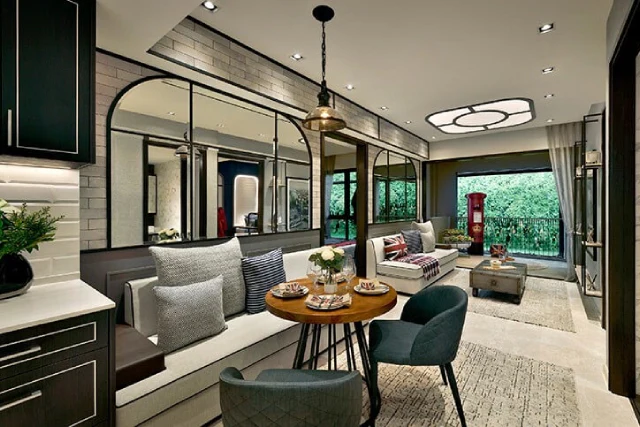
Myths about luxury furniture are as enduring as the pieces themselves. Some say price guarantees perfection. Others swear by tradition, dismissing innovation as a threat to authenticity. Scratch the surface, however, and those old assumptions start to crumble. Let’s unravel the real stories behind luxury furniture, separating fact from fiction as we explore what truly gives these coveted designs their worth.
Setting the Stage: Why Myths About Luxury Furniture Persist
Luxury furniture holds a rarefied place in the world of design, but the stories people tell about it are sometimes more fiction than fact. The aura of exclusivity, the whisper of legendary designers, and the feel of rare materials all contribute to a mystique that can be hard to separate from reality.
Common Perceptions vs. Reality in Luxury Furniture
Many believe that the word “luxury” is just a synonym for “expensive.” But price tags don’t always reflect true quality or value. Some think that only old-world, handcrafted pieces deserve the label, and that anything machine-made is somehow inferior. The reality? Today’s luxury scene is a blend of heritage and technology, constantly pushing the boundaries of what’s possible in both design and durability.
The Role of Brand Reputation and Marketing
Brand names cast long shadows. When a name like B&B Italia or Knoll graces a piece, expectations soar. But reputation can be a double-edged sword, sometimes convincing buyers that any product from a renowned brand is automatically superior, even when comparable options exist elsewhere. Marketing also plays a role, using storytelling to amplify perception and sometimes blur the line between tangible features and aesthetic narrative.
How Consumer Expectations Shape Myths
Customers bring their own wish lists and assumptions to the showroom. Some demand status symbols, while others seek investment value. These expectations create fertile ground for myths to take root, with stories passed along at dinner parties or interior design forums, often with little basis in fact.
Myth 1: Luxury Furniture is Always Expensive Because of Superior Materials
It’s tempting to think that soaring prices are solely due to gold-plated accents or rare hardwoods. But materials, while important, are just one piece of a much larger puzzle.
Case Study: Comparing Materials in Entry-Level vs. High-End Pieces
Compare a standard sofa with a luxury one. The entry-level might use engineered wood and coated fabrics, while higher-end options often feature solid hardwood frames and top-grain leathers. However, not all expensive pieces use the most precious materials, and some less-known brands source incredible woods or innovative textiles at mid-range prices.
Exploring Hidden Costs: Craftsmanship and Design Innovations
What truly sets luxury furniture apart is the invisible labor: the hours of skilled craftsmanship, the engineering behind perfect seams, and the cost of exclusive collaborations with renowned designers. Innovations such as modular systems, ergonomic foam blends, or seamless joinery drive up costs but rarely get the attention they deserve.
When Price Doesn’t Equal Quality: Real Examples
Some mass-produced pieces command high prices purely due to branding or fleeting trends. Meanwhile, certain artisanal workshops produce exceptional furniture at prices that reflect only the real cost of creation, not inflated markups. The lesson: a high price does not always guarantee high quality, nor does affordability mean compromise.
Myth 2: Handmade Means Better Quality Than Machine-Made
The romance of handcrafted work is undeniable. But is it always superior? Not in the era of precision engineering.
Case Study: Avant-Scène’s Blend of Craftsmanship and Modern Techniques
Boutiques like meubles haut de gamme Avant Scene curate collections that champion both expert handcraft and advanced manufacturing. Here, brands combine artisan skill with technologies like CNC milling and digital pattern-making. The result is a new standard: hand-finished details with machine-perfect precision, offering both beauty and consistency.
The Impact of Technology on Durability and Precision
State-of-the-art fabrication eliminates many flaws that come with entirely manual processes. 3D modeling, robotic arms, and controlled environments ensure each component meets strict durability and finish standards. This fusion can extend the lifespan of contemporary luxury furniture far beyond what was possible a generation ago.
Balancing Tradition and Innovation in Luxury Furniture
The best luxury ateliers don’t view tradition and technology as rivals. Instead, they weave them together, ensuring a piece has both character and reliability. A hand-dyed leather can still benefit from laser-calibrated stitching, and a classic wood join can be reinforced by modern adhesives for longevity.
Myth 3: Only Classic Designs Hold Their Value Over Time
Timelessness is often equated with classic silhouettes, but design history tells a much more dynamic story.
Case Study: Bauhaus-Inspired Pieces by Knoll and Their Market Performance
Knoll’s devotion to the Bauhaus philosophy illustrates how modernist pieces can achieve cult status and lasting value. The brand has reinterpreted these icons, making them staples in both private collections and auction houses, defying the notion that only traditional shapes persist.
How Contemporary Designs Like Camaleonda Achieve Timelessness
Mario Bellini’s Camaleonda, once considered avant-garde, has become a revered classic through constant reinvention. Its recent re-design emphasizes comfort and sustainability, proving that contemporary forms can become just as timeless (and valuable) as antiques.
The Influence of Designer Reputation on Value Retention
A piece’s creator often has as much impact on value as its style. Widely recognized designers imbue their work with lasting desirability. A limited-edition David Weeks lamp or a signature B&B Italia sofa can command high resale values, even if their aesthetic is bold and unconventional.
Myth 4: Luxury Furniture is Less Practical for Everyday Use
The idea that luxury means fragility or impracticality couldn’t be farther from the truth when well-made furniture is chosen thoughtfully.
Case Study: Durability Tests on High-End Sofas and Tables
Independent tests have shown that properly constructed luxury sofas and tables can withstand years, even decades, of daily use. Quality frames, resilient foams, and performance fabrics protect against wear and tear.
Comfort and Functionality in Luxury Design: The Camaleonda Example
The Camaleonda isn’t just a design icon; it’s engineered for comfort and flexibility. Modular components allow for personalization and adaptability in real homes. High-end doesn’t mean off-limits for kids or pets when smart choices are made.
How Maintenance and Care Affect Longevity
Luxury items often come with care recommendations, not because they’re overly delicate, but because the materials deserve to be kept at their best. With regular maintenance, high-quality furniture can retain its beauty and utility for generations.
Understanding the True Value: Beyond Price Tags
Value is shaped by more than receipts and invoices. The most rewarding luxury purchases are those that satisfy beyond the surface.
The Importance of Design Philosophy and Brand Heritage
Every luxury piece tells a story of vision and artistry. Brands with deep heritage infuse their work with a philosophy that elevates every detail, from the curve of a chair leg to the finish of a tabletop.
Customer Service and Customization as Value Additions
Premium furniture retailers offer more than products. White-glove delivery, bespoke customization, and post-purchase care transform the buying experience into a relationship, not just a transaction.
Investment Potential: When Luxury Furniture Becomes an Asset
Certain pieces appreciate in value, especially those from pivotal design movements or limited collaborations. Collectors know that investment potential hinges on provenance, condition, and manufacturer reputation.
How to Make Smart Purchasing Decisions
Navigating the luxury landscape requires a discerning eye and informed questions.
Evaluating Quality: What to Look for Beyond the Label
– Examine joinery and seams for precision.
– Check for solid, weighty materials (not all “solid wood” is created equal).
– Ask about the source and treatment of fabrics and leathers.
Questions to Ask Designers and Retailers Like Avant-Scène
– Who designed this piece, and what is their background?
– What maintenance will it need in a real household?
– Are replacement parts and repair services available?
– Is customization possible to suit my needs?
Avoiding Common Pitfalls: Lessons from Real Buyers
Focus on physical comfort and durability, not just aesthetics. Don’t assume “luxury” equals “lifetime guarantee”, always clarify the warranty and aftercare. Research resale history for major investments.
Conclusion: Rethinking Luxury Furniture Quality and Value
Real luxury isn’t a price point; it’s an experience built on craftsmanship, utility, and lasting appeal. The case studies above show how innovation, tradition, and thoughtful design all contribute to genuine value. Let go of old myths, and approach your next furniture acquisition with fresh eyes and better questions.
The future of luxury furniture will be shaped by evolving materials, eco-conscious creation, and the blending of digital precision with artisan touch. When you look beyond the surface, the true rewards, comfort, artistry, heritage, are yours to discover.






-
The Importance of HVAC Maintenance Before Winter
The shift from the hot days and warm nights of summer to ... -
-