
Mould, Musty Smells and Hidden Water: The Health Side of Leaks
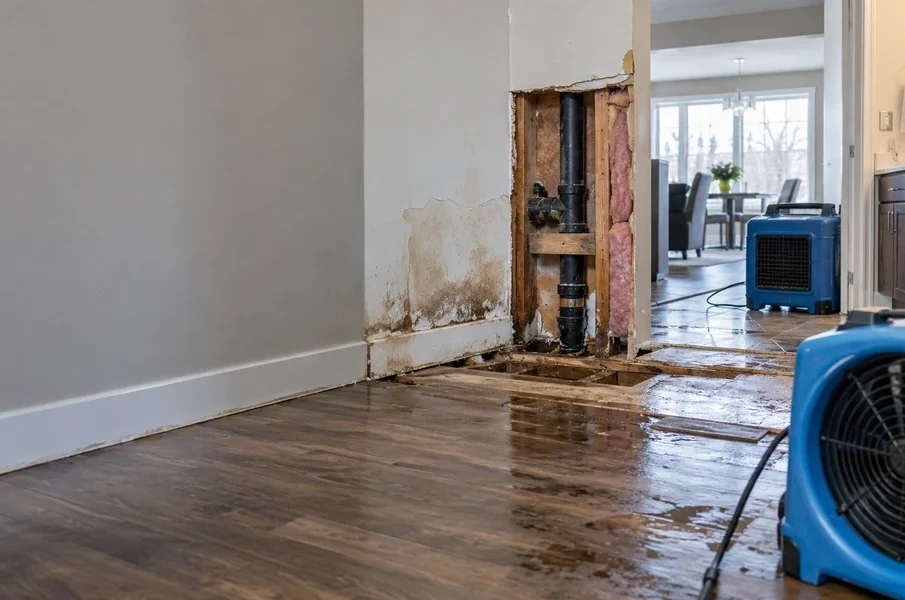
When people think about water leaks, they usually think about money: the bill, the repair, the damaged floor. There is another side that gets less attention. Persistent moisture inside and beneath a home can affect the air your family breathes. Understanding the link between hidden leaks and indoor air quality can help you decide when a musty smell is more than just an annoyance.
How Moisture Turns Into a Mould Problem
Mould spores are everywhere, indoors and out. They stay mostly dormant until they find moisture, a food source and some warmth. Timber, plasterboard, insulation and dust all provide plenty to feed on. A leak supplies the missing ingredient. Once conditions are damp enough for long enough, mould can establish itself and spread.
The trouble with hidden leaks is that the damp areas are not visible. Mould can grow inside wall cavities, beneath floors and in sub-floor spaces long before you see a patch of it on a wall.
Why You Might Smell It Before You See It
A musty, earthy odour is one of the earliest signs of hidden dampness. It is caused by compounds released as mould and bacteria grow. If a room smells stale even after cleaning and airing, or the smell gets stronger after rain or in warm weather, moisture may be present somewhere you cannot see.
Other clues include condensation on windows that never clears, peeling paint, bubbling plaster, and a general sense that the air feels heavy.
Possible Health Effects of Damp Indoor Environments
Health organisations have long noted that damp and mouldy buildings are associated with respiratory symptoms. People who live in persistently damp homes may experience:
- Coughing, wheezing or a tight chest
- A blocked or runny nose
- Irritated eyes or throat
- Headaches or tiredness
- Flare-ups of asthma or allergies
Sensitivity varies widely. Children, older adults, and people with asthma, allergies or weakened immune systems tend to be more affected. If you or a family member has symptoms that improve when away from home, it is worth speaking to a doctor and investigating the house.
The Sub-Floor Connection
Air moves between the space under your house and the rooms above, through gaps around pipes, vents and floorboards. When the sub-floor is damp, that moisture and the odours that come with it can rise into living areas. A leaking pipe beneath the house can therefore affect indoor air even though the problem is out of sight.
If you notice damp smells that seem to come from the floor, under house water leak detection can locate leaking pipes and moisture sources beneath the building. Finding the source is more effective than masking the smell, because mould will keep returning as long as the water supply continues.
Leaks Outside Can Contribute Too
Moisture does not always start under the floor. A leaking supply line in the yard can saturate the soil around the house, raise humidity beneath it and push dampness towards the walls. In that case, underground water leak detection services can trace the buried pipe and locate the break, removing the water source that is feeding the problem.
Why Cleaning Alone Is Not Enough
Scrubbing visible mould can improve the look of a room, but it does not remove the cause. If a leak keeps supplying moisture, the mould returns, often in the same spot. The order of work matters:
- Confirm the source of moisture and stop it.
- Repair the leaking pipe or fitting.
- Dry the affected materials thoroughly.
- Clean or remove mould-affected surfaces.
- Improve ventilation to prevent recurrence.
Skipping the first two steps turns cleaning into a repeating chore.
Everyday Habits That Help
You can reduce moisture around the home with simple routines. Use exhaust fans in bathrooms and kitchens, wipe up spills and condensation promptly, avoid drying washing indoors without ventilation, and keep furniture a little away from external walls so air can circulate. Make sure sub-floor vents are clear of soil, plants and clutter so that air can flow beneath the house.
When to Seek Help
Call a professional if you see recurring mould, notice persistent damp odours, have a water meter that keeps moving when nothing is on, or find soft or discoloured flooring. Large areas of mould, or mould combined with health symptoms, are good reasons to get an expert opinion rather than relying on household cleaners.
Protecting Vulnerable Household Members
If anyone at home has asthma, allergies or a weakened immune system, it is sensible to act sooner rather than later. Keep an eye on whether symptoms ease when they spend time away from the house, and mention the damp problem to their doctor. Removing the moisture source early helps the home become more comfortable for everyone.
Final Thoughts
A leak is not only a plumbing problem. It can become an air-quality problem and a household comfort problem too. By taking musty smells and unexplained dampness seriously, and by tracking down the water source rather than just treating the symptoms, you give your home and the people in it a healthier foundation.




-
Is it Smart to Rent-to-own?
When you are planning to buy a home but do not have ... -
-