
Heat Pumps and the Foothills Cold Snap
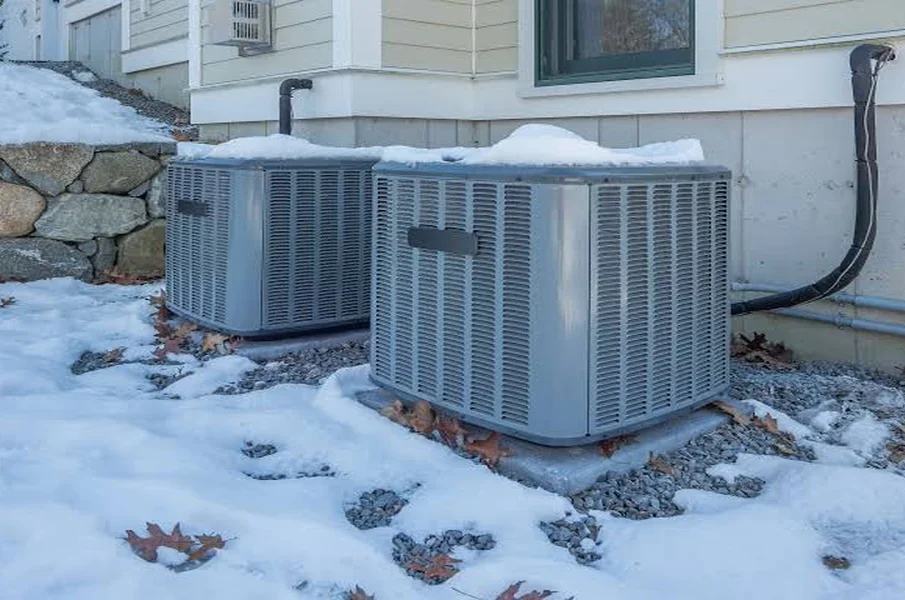
A heat pump in Hall County lives two different lives. For most of the year it’s the most efficient thing in the house, quietly moving warmth in or out and hardly showing up on the power bill. Then an arctic front drops over the Blue Ridge, the forecast for Cornelia shows single digits, and the same machine starts making noises, blowing lukewarm air and turning on a thermostat light labeled AUX. Most service calls in January come from homeowners who aren’t sure which of those behaviors is normal.
The answer depends on the thermometer. A heat pump doesn’t fail at a particular temperature. It loses capacity gradually as the outdoor air gets colder, and knowing what to expect at each step down takes most of the mystery out of a cold week.
Questions like these come up a lot for Economy Heating & Air, which has been servicing furnaces, heat pumps and ductless mini-splits around Gainesville and northeast Georgia since the 1980s. The company installs York equipment and repairs all makes, and its maintenance agreements are designed to catch problems before the first hard freeze. Long experience with foothills winters shows a pattern that holds for nearly every home.
Fifty Degrees and the Easy Months
From October through much of March, North Georgia afternoons are ideal heat pump weather. The outdoor coil pulls heat from air that still has plenty to give, and a well-matched system delivers roughly three units of heat for every unit of electricity it uses. Supply air from the vents feels warm but not hot, usually somewhere in the 90s. Homeowners used to a gas furnace sometimes mistake that gentler air for a problem, but it’s how a heat pump is supposed to work. It runs longer at a lower intensity instead of sending out quick bursts of very hot air.
Long run times in this range are normal, even good. Steady operation keeps temperatures even and uses less power than frequent starting and stopping.
Around Thirty Five, the Frost Starts Forming
As nights drop into the 30s, especially on the damp mornings common along Lake Lanier and in the river valleys, frost forms on the outdoor coil. Ice blocks airflow, so the system periodically runs a defrost cycle. It briefly reverses itself to warm the coil, the outdoor fan stops, steam rises off the unit, and you may hear a whoosh when the refrigerant shifts direction.
A defrost cycle usually lasts a few minutes. While it runs, the system often turns on backup heat inside so the house doesn’t get a blast of cool air. That’s why AUX can appear on the thermostat on a frosty morning even when it isn’t especially cold out.
The Balance Point, Usually in the Low Thirties
Somewhere in this range, every house reaches its balance point. That’s the outdoor temperature where the heat pump’s output exactly equals the heat the home is losing. In a typical older ranch house with average insulation, it often lands around 30 to 35 degrees. A tight, well-insulated newer home pushes it lower. Leaky ductwork in a crawl space or an under-insulated bonus room pushes it higher.
Below the balance point, the heat pump keeps running but needs help, and that help is auxiliary heat. In an all-electric home, it’s usually resistance strips in the air handler that work like a giant toaster. They’re reliable and fast but cost two to three times as much to run as the heat pump. A few hours on a cold night is expected. All day, every day, on a 40-degree week means something isn’t right.
Twenty Degrees and the Questions on the Thermostat
On the cold nights that hit Habersham and White counties several times most winters, the gap between what the heat pump can do and what the house needs gets wider. Older single-speed units lose a lot of capacity here, while newer variable-speed models with inverter compressors hold up much better. This is also where small problems that don’t show up in October suddenly get expensive.
A few signs suggest the system needs a look rather than just patience.
- AUX running constantly when it’s in the 40s
- Ice that stays on the outdoor coil after a defrost cycle ends
- Defrost cycles starting every few minutes
- A sharp jump in the bill with no matching cold spell
- Cool air from the vents with the outdoor fan still running
Low refrigerant, a failing defrost sensor, a dirty coil or a thermostat set up with the wrong lockout temperature can all leave the expensive backup heat doing work the heat pump should be handling.
Emergency heat is a different thing. It’s a manual setting that shuts the outdoor unit off completely and runs only the backup. It’s meant for times when the heat pump has failed or is buried in ice, not for making a cold night more comfortable. Leaving it on for a week can easily triple the heating cost for that stretch.
Single Digits and the Case for a Second Fuel
North Georgia only sees true single-digit cold a few times a decade, as the snow and ice of January 2025 reminded everyone. Those nights decide whether a heat pump setup feels like a smart choice or a regret, and they’re the reason dual fuel systems are popular in the foothills.
A dual fuel system pairs the heat pump with a gas or propane furnace instead of electric strips. Above a set changeover temperature, the heat pump handles everything. Below it, the furnace takes over. Many rural homes in the region already use propane, so the furnace becomes the backup and the heat pump covers the mild months when it does its best work. Where the changeover gets set depends on local electric rates from Georgia Power or the area EMCs compared with what propane costs that season.
For homes that heat only part of the house, such as a converted garage, a basement apartment or an upstairs room the central system never quite reaches, ductless mini-splits with cold-climate ratings deliver steady heat well below freezing without touching the main system at all.
Paying for the Upgrade in a Changed Landscape
The federal tax credit that helped many households buy heat pumps ended at the close of 2025, so state and utility programs now carry more of the load. Georgia’s Home Energy Rebates program, run through the Georgia Environmental Finance Authority, offers income-based help for heat pumps and the insulation and air sealing that make them work better. Several local EMCs offer their own rebates too, and the rules differ enough from one cooperative to the next that it’s worth a phone call before buying anything.
Whatever the funding, the cheapest heat a foothills home can get is the heat it doesn’t lose. Sealing ducts in the crawl space, adding attic insulation and fixing drafty doors all lower the balance point, which means the heat pump handles more of the cold-weather hours before the backup heat has to turn on.



-
How Can Real Estate Agents Help Investors Looking for Commercial Properties?
The real estate market has always been unpredictable. However, the scenario has ... -
-