HOW TO PACK LIKE A PRO: SIMPLE TIPS FOR A SMOOTH MOVE
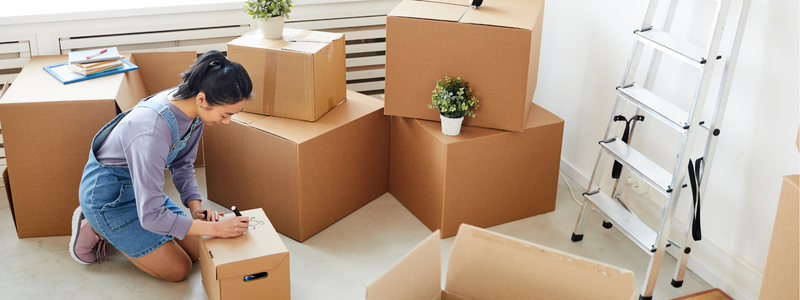
Moving to a new home is exciting, but packing for that move can feel tiring and stressful. Many people start packing late or underestimate how long it will take, which leads to panic, broken items, and cluttered boxes. But packing does not have to be a chaotic task. With the right planning and a few expert methods, you can turn packing into an organized and manageable process.
Professional movers often say that packing is most successful when you treat it like a step-by-step project instead of a last-minute chore. Their experience comes from handling different types of homes, fragile objects, and tight timelines. senior movers London Ontario Learning from their methods can save you a lot of stress and help ensure your belongings reach your new place safely.
One of the best things you can do is start packing early. Beginning four to six weeks before your moving day gives you enough time to sort through your things, get rid of items you no longer need, and pack slowly without pressure. This early start also helps you stay organized and reduces the chance of stuffing random items together at the end.
Before you pack anything, gather the right materials. Sturdy boxes in different sizes, strong tape, bubble wrap, packing paper, markers, labels, and scissors are essentials. Having good supplies from the start prevents damage and makes packing faster. Soft blankets or towels can also protect delicate items, while tools like screwdrivers help you take apart furniture when needed.
Decluttering is another important step. Moving is the perfect time to let go of things you don’t use. Go through each room and separate items into groups—things to keep, donate, sell, or throw away. This reduces the amount you need to pack and makes unpacking much easier.
Once you start packing, follow a room-by-room approach. For the kitchen, wrap plates individually and place them vertically inside the box. Glasses should be wrapped carefully and placed in sections or cushioned tightly so they don’t move. In bedrooms, wardrobe boxes make it easy to move clothes on hangers, while folded clothes can go into medium boxes. Keep jewellery and small valuables in secure, separate containers.
The living room often contains fragile or expensive items like electronics or artwork. If you still have original packaging, use it. Otherwise, wrap electronics well and take photos of how cables are arranged so you can reconnect them easily later. For books, use small boxes because they get heavy quickly. Frames, artwork, and mirrors should be wrapped in layers and placed upright.
Pack your bathroom last because you’ll need those items until moving day. Throw away expired products, secure liquids in plastic bags, and keep important medicines in a separate pouch.
Finally, prepare an essentials box for the first day in your new home. Include toiletries, chargers, basic clothes, snacks, and important documents so you don’t have to dig through boxes immediately.
With early planning, the right supplies, and careful packing, you can make your move smoother, more organized, and far less stressful.





-
Finding a Contractor for Your Stone Veneer Project That You Can Trust
Are you looking to improve your home with a stunning, one-of-a-kind stone ... -
-