
How to Read a Ready-Mix Concrete Delivery Ticket
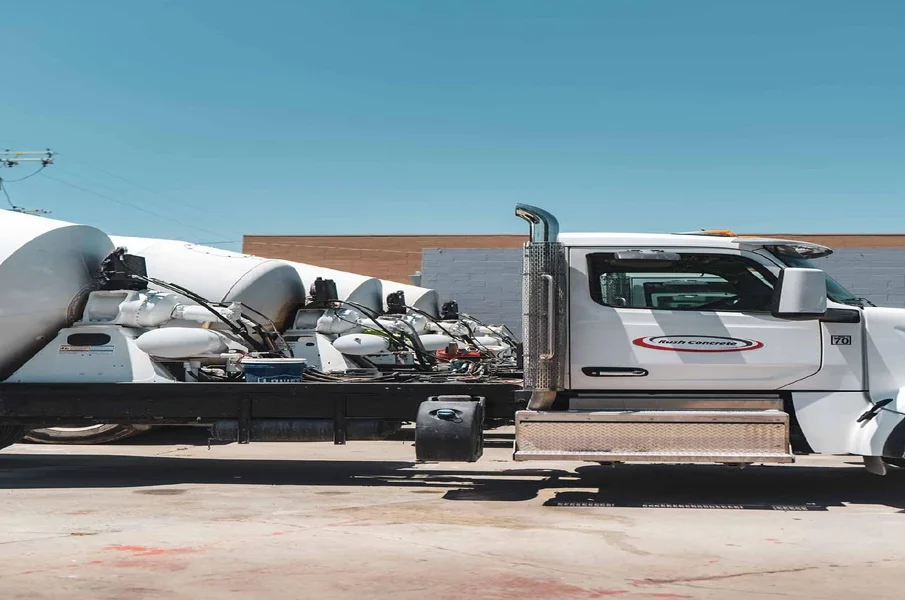
Three weeks after a slab pour, the lab reports a low break on one set of cylinders. The engineer asks for that day’s tickets. On one of them, someone wrote “15 gal added” and left the approval line blank. That one line now drives the whole review. A concrete delivery ticket is the record of what went into the forms. Reading it top to bottom, the way a site superintendent should before signing, shows why each line is there.
The Top Half: Is This My Load?
The header shows the customer, the project name, the delivery address and the purchase order, along with the truck number and the driver’s name. Matching those to the job confirms the load was meant for this pour and not for another site down the road. Below that is the mix code. It ties back to the approved mix design on file, and beside it the ticket lists the design strength, the target slump and any admixtures or pigment. If the code does not match the submittal for that element, the crew calls dispatch before any concrete leaves the drum.
The Middle: Time and Volume
The batch time marks the moment water met cement at the plant. ASTM C94 limits the time from batching to full discharge, often to 90 minutes, and many specs repeat that limit. Comparing batch time with arrival time tells the crew how much working time is left. A load that sat in traffic for 80 minutes has very little. Each ticket also lists the yards on that truck plus a running total for the order. Checking that total against the yards still needed tells the crew when to call for the last load. Too early and there is concrete left over. Too late and the crew stands around waiting.
The Bottom: Water and a Signature
ASTM C94 allows water to be added at the site, but only within the limits of the mix design. The ticket should record how many gallons went in and who approved it. Added water lowers strength, so this is the first line an engineer reads when test results come back low, exactly as in the opening example. Once signed, the tickets join the project’s quality records. The superintendent files them with the test reports for each pour, since inspectors and engineers may ask for them months later.
Contractors with questions about their order can contact Rush Concrete, a ready mix supplier serving Southern California.







-
Parquet Flooring Timeless Beauty and Modern Elegance for Every Space
Parquet flooring has made a powerful comeback in modern interior design, becoming ...
