
Everything You Should Know About Water Heater Before Installation
We can all agree that water heater is crucial aspect of everyday life. From washing dishes, taking a warm shower and doing laundry, a reliable water heater is crucial factor that will ensure your household remains functional and comfortable. However, each one is different. Nowadays, you can find wide array of options with specific benefits, features and applications.
Understanding different types of water heaters can help you make reliable and informed decision when it is time to replace an outdated unit and choose a completely new systems. The most important factors that will help you determine the type include energy efficiency, household size, budget, and available space.
By entering here, you can learn more about water heating. In here, you will understand a few things about the most common types of water heaters and benefits you will get throughout the process.
Conventional Storage Tank
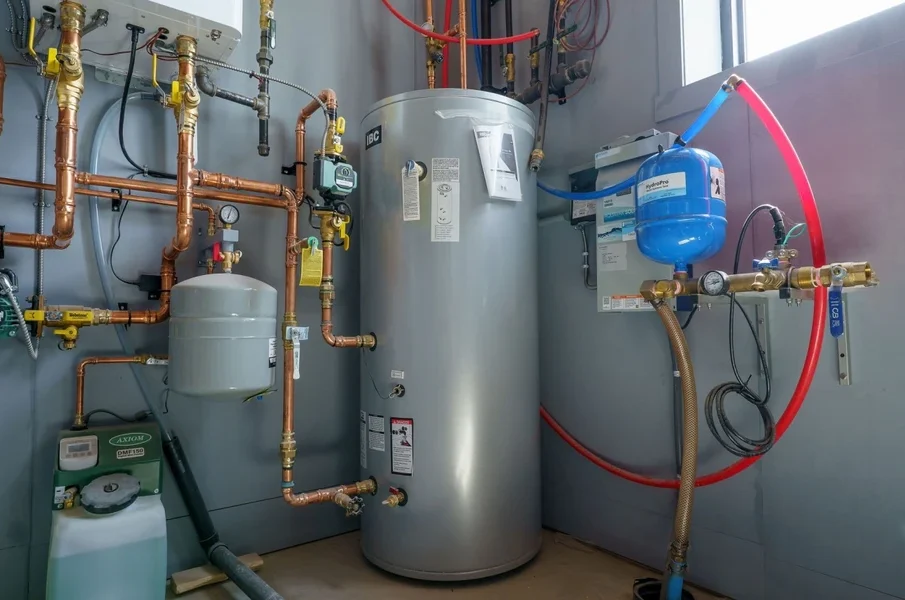
You probably know about storage tank water heaters because they are most common type found in homes. These systems store a specific amount of heated water in insulated tank, meaning hot water can readily available when you need it. Tank sizes tend to range from thirty to eighty gallons, which everything depends on household demand.
The advantages include lower initial expenses, simple installation process, available in propane, gas and electric models, while you will get reliable technology. On the other hand, it will provide you with limited supply of hot water, higher energy consumption due to standby heat loss, shorter lifespan compared to other options and large space requirements.
Tankless Water Heaters
Tankless water heaters are commonly known as on-demand water heaters, meaning they will heat water only when appliance or faucet requires it. Therefore, instead of storing hot water in tank, they will instantly heat water as it goes through the system.
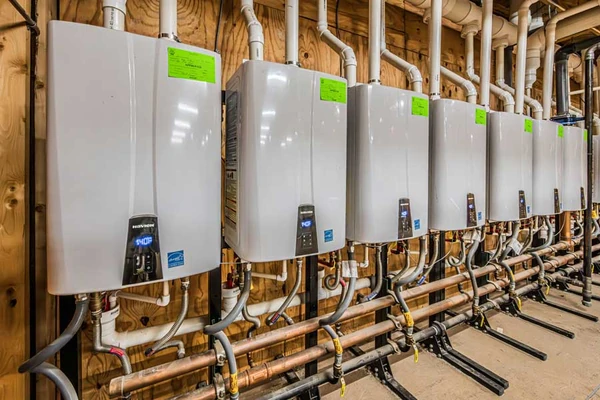
You will get endless supply of hot water, smaller and compact design, improved energy efficiency and longer lifespan than traditional systems. On the other hand, you can expect higher upfront expenses; installation may require gas or electrical upgrades, while you should choose the exact size that will meet your needs based on number of people in your household.
Generally, tankless systems are perfect for people who seek modern convenience and energy savings.
Electric Water Heaters
Electric water heaters are using heating elements that use electricity so you can warm water within a storage or tankless system. Compared with other options, it comes with lower installation costs because you do not need to add gas installations. Besides, it is simple to maintain and energy-efficient in most homes.
However, operating costs may be higher in areas with expensive electricity, which is vital to remember. At the same time, you cannot heat water during power outages. Generally, they are popular because they are highly accessible and straightforward.
Check out this website: https://energy-efficient-products.ec.europa.eu/product-list/water-heaters_en to learn more about water heaters.
Gas Water Heaters
As the name suggests, gas water heaters use propane or natural gas to ensure you get proper levels of hot water. These systems are commonly found in areas where gas service is available. You will get fast heating and recovery options, lower operating expenses in specific regions, and continual operation during certain power interruptions.
However, it requires proper ventilation and gas lines; it comes with higher installation expenses and mandatory maintenance requirements. Still, if your household comes with higher hot water demand, gas heaters are both cost-effective and efficient in the end.
Heat Pump
We can also call them hybrid water heaters, because they use electricity to move heat from the air into the water, which is not the same process as generating heat directly as other options mentioned above. It is exceptionally energy efficient option, which makes it perfect solution for areas where electricity is expensive.
By investing in heat pump, you can reduce utility bills, while ensuring environmentally friendly operation. It comes with potential eligibility for energy rebates. On the other hand, it features higher upfront expenses, adequate installation space while performance can decrease if you reside in colder climates and environments.
It is perfect choice for households that are focusing on reducing energy consumption, which will ultimately help you save money in the end.
Solar Water Heaters
It is important to remember that solar water heaters are using energy from the sun to heat water through solar collectors installed on the nearby structures and roof. It features low operating costs, which makes it appealing for areas with plenty sun days.
You will also reduce the dependence on traditional energy sources. Besides, you will get potential tax incentives and rebates. However, Water Heater Installation expenses can get higher than regular heaters. Performance depends on sunlight, meaning you will get less efficiency in cloudy days and during the night.
We recommend you to always have backup heating system and avoid solely relying on solar. They are perfect for people who wish to invest in renewable energy sources while reducing the environmental problems altogether.




-
Never ignore debt collection lawsuits: Check these details
Nothing is as traumatizing as knowing that a debt collector is after ... -
-